
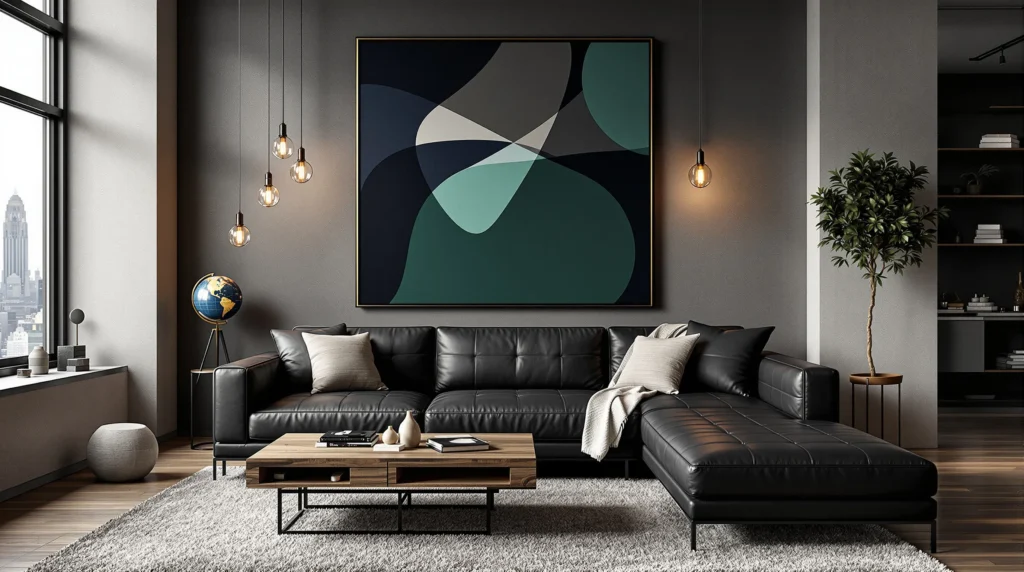
Picture this: You walk into a living room where the air smells faintly of leather and cedar. The light hits a weathered oak coffee table, and you spot a steel lamp that looks like it could survive a tornado. This isn’t just a room—it’s a statement. Masculine interior design isn’t about cold, empty spaces or a parade of gray. It’s about crafting rooms that feel strong, grounded, and unapologetically personal. If you’ve ever wondered why some spaces just feel powerful, you’re about to find out.
What Makes Masculine Interior Design Stand Out?
Masculine interior design isn’t a checklist of dark colors and heavy furniture. It’s a mindset. It’s about creating spaces that feel confident, honest, and lived-in. Think of it as the difference between a suit that fits and one that just hangs on you. The right masculine interior design feels like it belongs to someone with stories to tell.
Key Elements of Masculine Interior Design
- Strong lines: Clean, straight edges on furniture and architecture
- Natural materials: Leather, wood, stone, and metal
- Simple color palettes: Charcoal, navy, forest green, and earth tones
- Functional decor: Every piece has a purpose
- Personal touches: Art, books, or objects that tell your story
Here’s the part nobody tells you: masculine interior design isn’t about being macho. It’s about honesty. If you love vintage records, display them. If you’re into motorcycles, hang a helmet on the wall. The best masculine spaces feel like an extension of the person who lives there.
Color: The Backbone of Masculine Spaces
Let’s break it down. Color sets the mood. Most masculine interior design leans on deep, saturated shades. But don’t just paint everything black and call it a day. Mix in warm browns, olive greens, or even burnt orange. These colors add depth and keep things from feeling like a cave.
If you’ve ever painted a room and hated it, you know the stakes. The wrong color can make a space feel small or lifeless. The right one makes you want to stay. Try this: paint one wall a deep navy, then add lighter accents. You’ll get drama without gloom.
Materials That Speak to Strength
Masculine interior design loves materials that age well. Leather gets better with time. Wood shows its scars and knots. Metal brings a cool edge. These materials don’t just look good—they feel good. Run your hand over a walnut table or a cast iron shelf. There’s a weight to it, a sense of permanence.
Here’s why this matters: cheap materials fall apart. Real materials tell a story. If you’re on a budget, pick one statement piece—maybe a solid wood desk or a leather chair. Build around it. Quality over quantity always wins.
Furniture: Function Meets Form
Ever sat on a couch that looked great but felt like a torture device? Masculine interior design says no thanks. Comfort matters. Look for furniture with clean lines and sturdy frames. Avoid anything too ornate or fussy. Think mid-century modern, industrial, or even rustic styles.
Don’t be afraid to mix old and new. A vintage armchair next to a modern steel lamp? That’s the sweet spot. If you’ve ever worried about matching everything, relax. Masculine spaces thrive on contrast and character.
Lighting: Set the Mood, Show the Strength
Lighting can make or break masculine interior design. Overhead lights alone won’t cut it. Layer your lighting. Use floor lamps, table lamps, and even wall sconces. Go for fixtures in matte black, brass, or brushed steel. Edison bulbs add a warm, inviting glow.
Here’s a trick: put your lights on dimmers. You’ll control the mood with a flick of your wrist. If you’ve ever felt like your room was too harsh or too dark, this is your fix.
Art and Accessories: Tell Your Story
This is where masculine interior design gets personal. Skip the generic prints. Hang art that means something to you. Maybe it’s a black-and-white photo from your travels, or a framed blueprint of your favorite car. Books, vintage cameras, or even a collection of vinyl records can double as decor.
Don’t overdo it. Leave some empty space. Let your favorite pieces breathe. If you’ve ever felt overwhelmed by clutter, you’ll appreciate the calm that comes from a few well-chosen objects.
Who Is Masculine Interior Design For?
If you crave order, strength, and a sense of history in your space, masculine interior design is for you. It’s perfect for anyone who wants a home that feels grounded and authentic. But if you love frills, pastels, or ornate details, you might find these spaces too stark.
Here’s the truth: masculine interior design isn’t about gender. It’s about attitude. It’s for anyone who wants a space that feels solid, honest, and a little bit daring.
Common Mistakes (And How to Avoid Them)
- Going too dark: Balance deep colors with lighter accents and plenty of light
- Ignoring comfort: Choose furniture you actually want to use
- Forgetting personal touches: Add items that reflect your life and interests
- Overcrowding: Leave space for your room to breathe
If you’ve ever walked into a room and felt like you couldn’t relax, you know how important these details are. Masculine interior design should feel inviting, not intimidating.
Actionable Tips to Get Started
- Pick a color palette with two or three main shades
- Invest in one high-quality piece—like a leather chair or solid wood table
- Layer your lighting for warmth and flexibility
- Display art or objects that tell your story
- Keep surfaces clear and organized
Start small. Change one thing at a time. If you make a mistake, that’s part of the process. The best masculine interior design evolves with you.
Final Thoughts: Make It Yours
Masculine interior design isn’t about following rules. It’s about creating a space that feels strong, honest, and unmistakably yours. If you’ve ever wanted a home that feels like a sanctuary, this is your blueprint. Trust your instincts, choose what you love, and let your space tell your story. That’s real strength.
More Stories
How Momo Handles Transform Kitchens and Cabinetry
8 Quick Centerpiece Ideas for Last-Minute Hosts
How to Set Up a Home Theater Room Without Breaking the Bank