
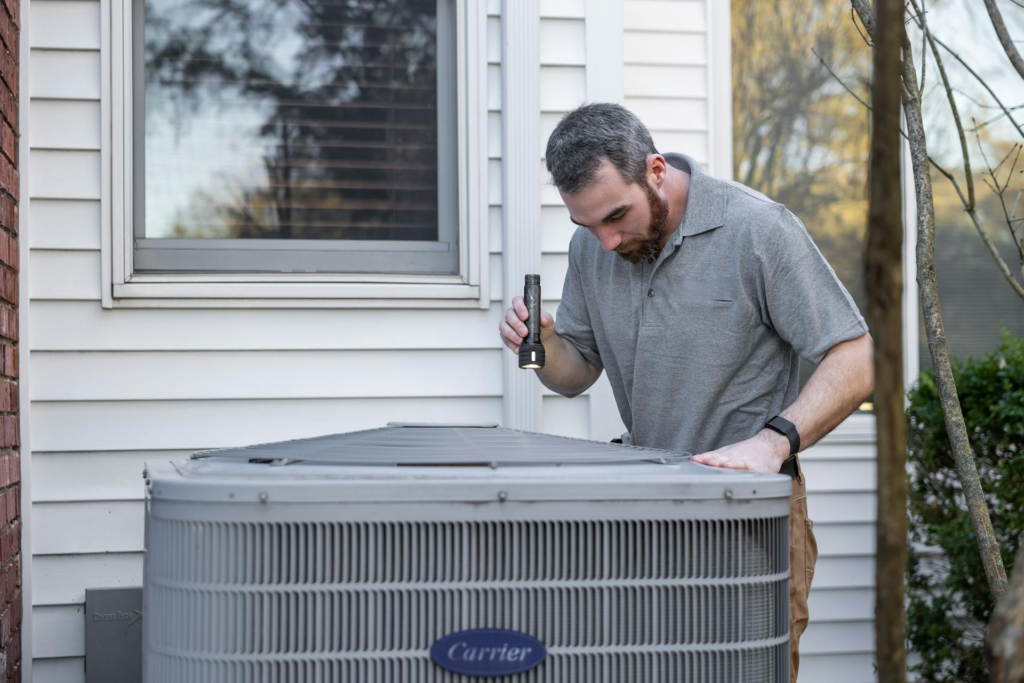
Summer heat doesn’t give your air conditioning system time to ease into the season. Once temperatures rise, your air conditioner shifts from occasional use to running for hours at a time. If something isn’t working properly, you’ll feel it quickly.
If your air conditioner hasn’t had recent AC maintenance, you shouldn’t wait for it to fail before taking action. Paying attention to early warning signs helps you avoid emergency repair calls, rising energy bills, and serious comfort problems when the summer climate becomes intense.
Below are clear signs that it’s time to schedule a professional inspection.
Your AC Runs Constantly but Doesn’t Cool Properly
If your air conditioner seems to run all day but your home never reaches the right temperature, something isn’t working as it should. You may adjust thermostat settings repeatedly, yet the air still feels warm or uneven throughout the house.
This often signals declining cooling efficiency inside the HVAC system. Low refrigerant levels, dirty condenser and evaporator coils, or restricted airflow from clogged indoor unit filters can all cause the system to overwork itself. Over time, that strain impacts system performance and shortens equipment lifespan.
If your unit is older and struggles every summer, it may be time to discuss options beyond basic AC repair. In some cases, investing in expert air conditioner installation services makes more financial sense than continuing repairs on aging heating and air equipment.
Your Energy Bills Spike Without Explanation
A noticeable jump in energy bills before peak summer temperatures hit is a warning sign. If your usage habits haven’t changed but costs increase, your cooling system may be losing energy efficiency.
Dirty air filters force the blower motor to work harder. A clogged air conditioning filter restricts airflow and makes your HVAC system run longer cycles. Even minor air leaks in ductwork can waste cooled air before it reaches supply and return vents.
Low refrigerant pressure caused by a refrigerant leak also increases run time. The system compensates by working longer, which drives up costs. A professional maintenance check can identify these issues and restore proper balance before summer AC breakdowns become likely.

You Notice Weak or Uneven Airflow
Walk from room to room and pay attention to airflow. If some areas feel comfortable while others stay warm, your air conditioning system may struggle with distribution.
Blocked drain lines, dirty air filter buildup, or failing components like the fan motor or blower motor can all restrict circulation. In central air conditioning systems, duct problems may also create uneven cooling. An HVAC technician can inspect the entire cooling system, check electrical connections, and evaluate airflow to ensure consistent performance across the home.
Your Home Feels Humid and Sticky
Air conditioning also controls indoor humidity. So, if your home feels damp or sticky even when the air conditioner runs, moisture removal may not be working properly. High indoor humidity often points to low refrigerant levels, frozen coils, or blocked drain lines. Frozen coils typically result from restricted airflow due to neglected filter changes or dirty condenser and evaporator coils.
Humidity issues can also lead to excess moisture and affect indoor air quality, creating health concerns during extreme heat, especially when the risk of heat stroke increases. A spring AC service visit allows a professional to inspect refrigerant levels, test system performance, and correct moisture control problems before the hottest days arrive.
Your Thermostat Doesn’t Respond Correctly
If your smart thermostat or programmable thermostat seems inaccurate, don’t ignore it. When thermostat settings fail to trigger proper cooling cycles, the entire HVAC system operates inefficiently.
You may notice the temperature displayed doesn’t match how the home feels. In some cases, wiring issues or loose electrical connections disrupt communication between the thermostat and cooling system.
A trained HVAC professional can inspect wiring, calibrate controls, and ensure the system responds correctly. Addressing thermostat problems early prevents unnecessary strain on the outdoor condenser unit and other electrical components.
You Hear Strange Noises or Notice Vibrations
Air conditioners aren’t silent, but loud grinding, buzzing, or rattling sounds aren’t normal. These noises often signal a developing electrical issue or worn mechanical parts inside the outdoor unit or outside unit.
Loose electrical connections, failing fan motor components, or debris caught in the outdoor condenser can escalate quickly if ignored. Excessive vibration may also damage aluminum fins or internal components over time.
Professional AC service includes tightening connections, inspecting the outdoor condenser unit, and checking critical components for wear. Catching these issues during routine AC maintenance reduces the chance of sudden failure during a heat wave.
You See Ice, Water Leaks, or Visible Damage
Ice buildup on freon coils or frozen coils is a serious sign of restricted airflow or refrigerant imbalance. Water pooling near the indoor unit may indicate clogged drain lines or a blocked condensate system.
Outside, inspect the outdoor condenser for debris. Overgrown landscaping, fallen leaves, or nearby shade trees that block airflow too closely can affect cooling efficiency. While shade trees help reduce solar heat gain, they shouldn’t restrict ventilation around the outside unit.
If you notice oily residue, you may have a refrigerant leak. Refrigerant issues require professional handling. Attempting to operate the air conditioner under those conditions can damage the compressor and increase the need for emergency repair.
Takeaway
If your air conditioner shows any of these signs, don’t wait for a full breakdown. Addressing airflow issues, rising energy bills, humidity problems, and unusual noises early protects your comfort and safety. Professional AC maintenance improves energy efficiency, supports reliable system performance, and reduces the risk of emergency repair during peak summer heat. Schedule an inspection before temperatures climb, and you’ll avoid unnecessary stress when your cooling system needs to perform at its best.
More Stories
Winter-Ready: What Your Home Needs Before the First Snow Falls
Rising Home Repair Costs and What Homeowners Can Do About Them
DIY Home Maintenance: Your Car Shelter, The Intelligent and Fashionable Way to Build