
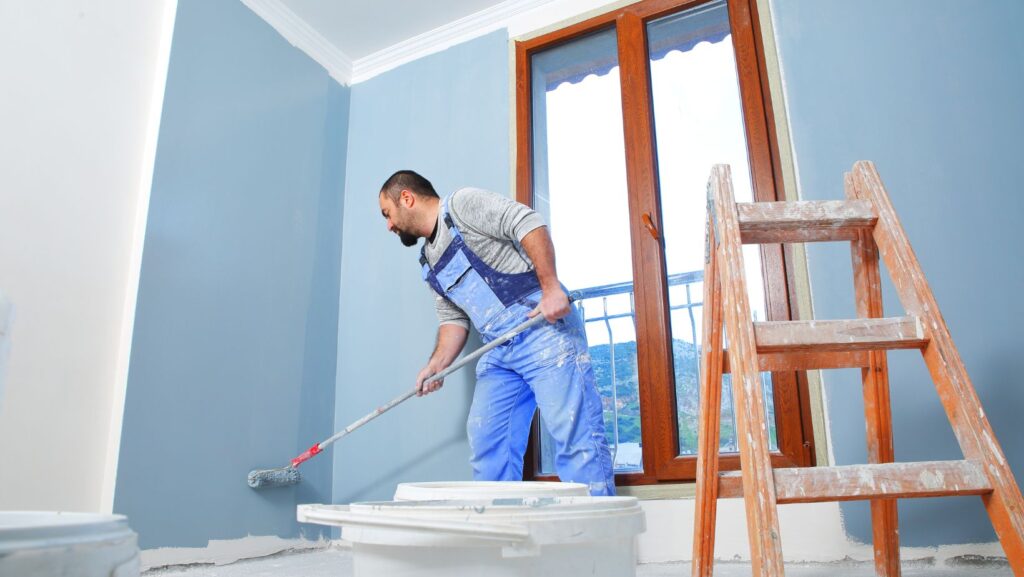
Interior painting is one of the easiest ways to update a home, which is why so many people debate whether to hire interior painters or try doing the work themselves. Saving money is an obvious draw. So is the idea of knocking out a room or two over a weekend. But once the project begins, most homeowners realize that painting involves a lot more than they expected.
If you’re weighing DIY against hiring a professional, this guide breaks down what each option really looks like, where the biggest challenges appear, and how to make the choice that works best for your home.
What Interior Painters Actually Do (And Why It Matters)
Prep Work You Don’t Always See
Professional painters start with detailed prep because it affects how the final coat looks. That means fixing dents, sanding rough spots, cleaning walls, removing old caulking, and filling gaps. These steps take time, but they’re the reason finished walls look smooth and even.
Clean Lines and Detailed Edges
Cutting clean lines around ceilings and trim is one of the trickiest parts of painting. Even a slight wobble becomes noticeable once the paint dries. Professional painting services do this every day, so their edges tend to look sharper and more consistent.
Keeping the Home Clean and Organized
Pros know how to protect floors, furniture, and other surfaces from splatters. They move through the home with a process that keeps things tidy from start to finish. For many homeowners, this part alone makes hiring help worth it.
What Homeowners Usually Try to DIY
Simple Rooms and Small Projects
DIY works well in rooms that don’t need much prep. Bedrooms, hallways, or single-colour refreshes are common choices. If the walls are in good condition, these projects can be fairly straightforward.
Where DIY Starts to Get Complicated
Once you begin, the extra tasks start to appear. Taping trim, patching old holes, removing nails, and sanding areas add unexpected time. The second coat often reveals missed spots or uneven coverage you didn’t notice earlier.
Why DIY Projects Often Drag On
Busy schedules slow things down. Work, family, and evening routines make it harder to finish everything in one stretch. A job that looked quick at first can take several days when interruptions add up.
DIY Wins: When Doing It Yourself Actually Makes Sense
There are situations where DIY painting is the practical and budget-friendly choice. Smaller rooms or simple layouts often fall into this category. Here are a few examples where homeowners typically succeed with their own tools and supplies:
- small bedroom with minimal wall damage
- home office that only needs a fresh coat
- powder room with straightforward walls
- simple accent walls
- touch-ups before listing a home
These projects usually have few obstacles. With a bit of patience and the right materials, most people can achieve a clean, attractive finish.
DIY also works well if you enjoy hands-on home improvement tasks. Painting can be satisfying for those who like seeing quick visual progress. As long as the job doesn’t involve tricky surfaces or heavy repairs, it can be a great weekend project.
When Hiring Interior Painters Is the Better Choice
Rooms That Need More Skill
High ceilings, staircases, and large open areas are harder to paint well. They require steadier hands, better equipment, and more experience. Mistakes in these spots are easy to see once the paint dries.
Older Homes With More Repairs
Plaster walls, uneven surfaces, and deeper trim profiles need extra prep. DIY efforts often reveal new problems once paint goes on. Professionals are familiar with these issues and know how to handle them properly.
Kitchens, Bathrooms, and High-Moisture Areas
These rooms need specific paint products to resist humidity and staining. Using the wrong type can lead to peeling or fading much sooner than expected. Pros already know which finishes hold up best.
This is why so many homeowners choose interior painters for more complex spaces or multi-room projects. A professional team can maintain a consistent finish and keep things on schedule.
Condos With Strict Timelines
Condos often have elevator bookings or limited work hours. Professionals move quickly and finish within those windows, which avoids delays.
Hidden Costs of DIY Interior Painting
Many homeowners choose DIY to save money, but the actual costs can add up. Paint quality affects coverage, so you may need extra cans if your walls require more coverage and coats than expected. DIY painting tools such as rollers, trays, extension poles, tarp covers, sanding blocks, caulking, and painter’s tape add to the total cost.
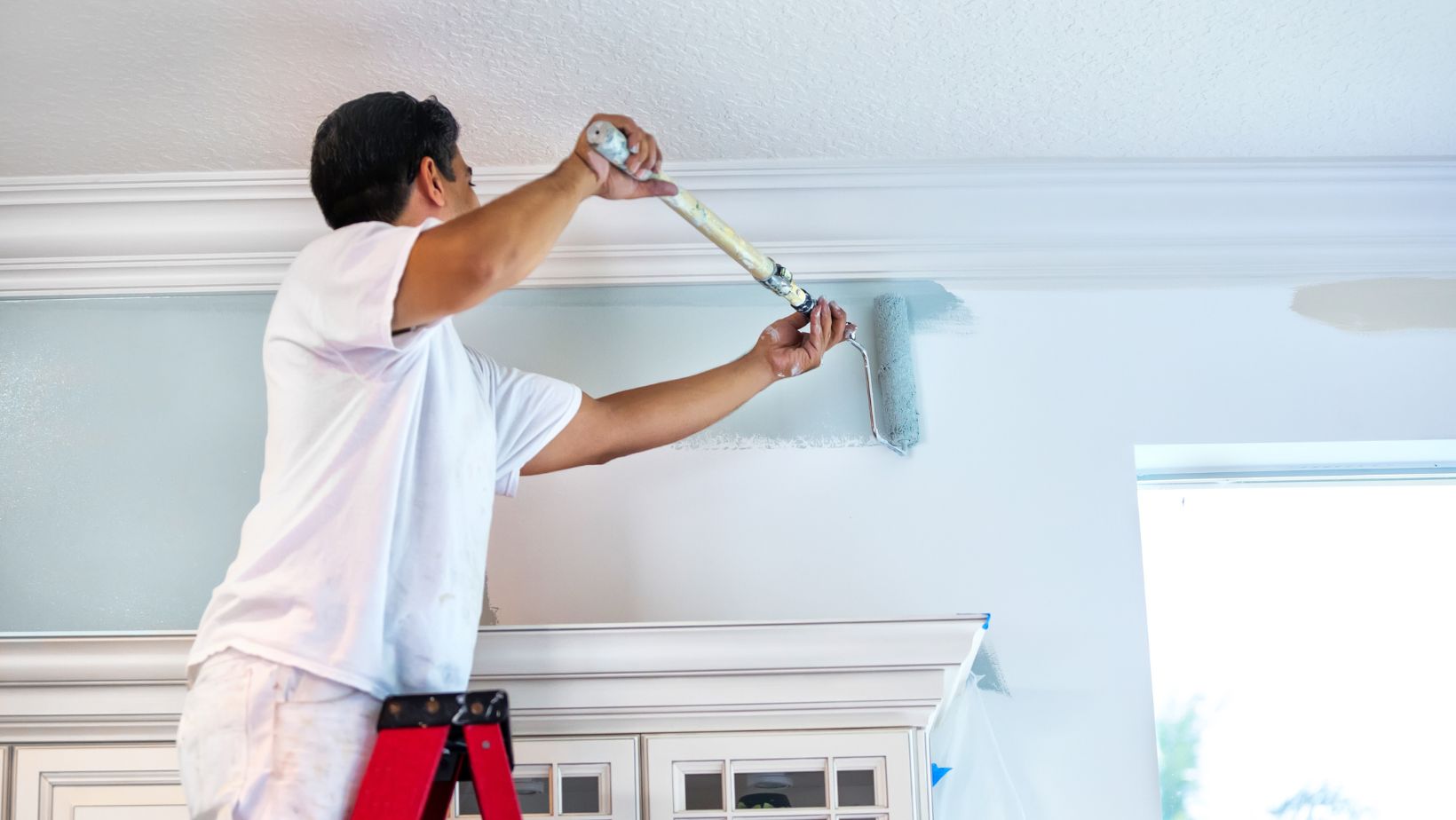
There are also mistakes that lead to more expenses. Choosing the wrong sheen can reveal wall imperfections. Using tape that peels off trim or a roller that sheds lint can force you to redo sections. And if you spill paint on flooring or furniture, cleaning solutions or repairs can become surprisingly expensive.
The biggest hidden cost is time. For homeowners with busy schedules, spending multiple evenings or weekends on a project can become more stressful than planned. When that happens, the savings may not feel as worthwhile.
Cost Comparison: DIY vs Hiring Pros
DIY Costs Include
- Paint
- Supplies and tools
- Extra paint for mistakes
- Repairs if something goes wrong
- Your own time and energy
Professional Costs Include
- Skilled labour
- Full prep work
- Faster turnaround
- Better finish quality
- Long-term durability
While hiring professional painting services costs more upfront, many homeowners find the value worthwhile—especially for bigger projects or rooms that need extra attention.
Quality Differences You Notice Right Away
The biggest differences between DIY and professional results usually appear the next morning. Natural light has a way of revealing uneven coverage and brush marks that weren’t visible the night before.
Professional painters produce even finishes that hold up over time. Their cutting lines are cleaner, corners sharper, and colour distribution more consistent. They know how to avoid drips, roller lines, and flashing issues. They also prepare surfaces thoroughly, which keeps paint looking smooth.
Another advantage is the cleanup. Interior painting services leave the home organized and ready to use. Floors stay protected, and edges stay sharp. If you’ve ever finished a long day of painting only to face hours of cleanup, you know how valuable this can be.
Interior Painters or DIY? How to Decide
DIY Works Best When
- The room is small
- Your walls are already in good shape
- You don’t mind taking your time
- The layout is simple
Interior Painters Are Better When
- You’re painting multiple rooms
- There’s trim or detailed edges
- Your walls need repairs
- You want the job done quickly
- You care about a crisp, polished finish
Think about your schedule, the condition of your walls, and the look you want. Both options can work, you just need to choose the one that fits your home and your comfort level.
DIY vs Interior Painters: Final Thoughts
If you’re deciding between DIY and hiring interior painters, start by looking at the size of your project and how much prep the room needs. Small spaces are usually manageable on your own, but larger or more detailed areas benefit from professional help. The best choice depends on your time, your skills, and how polished you want the final result to be.
More Stories
How Momo Handles Transform Kitchens and Cabinetry
8 Quick Centerpiece Ideas for Last-Minute Hosts
How to Set Up a Home Theater Room Without Breaking the Bank