
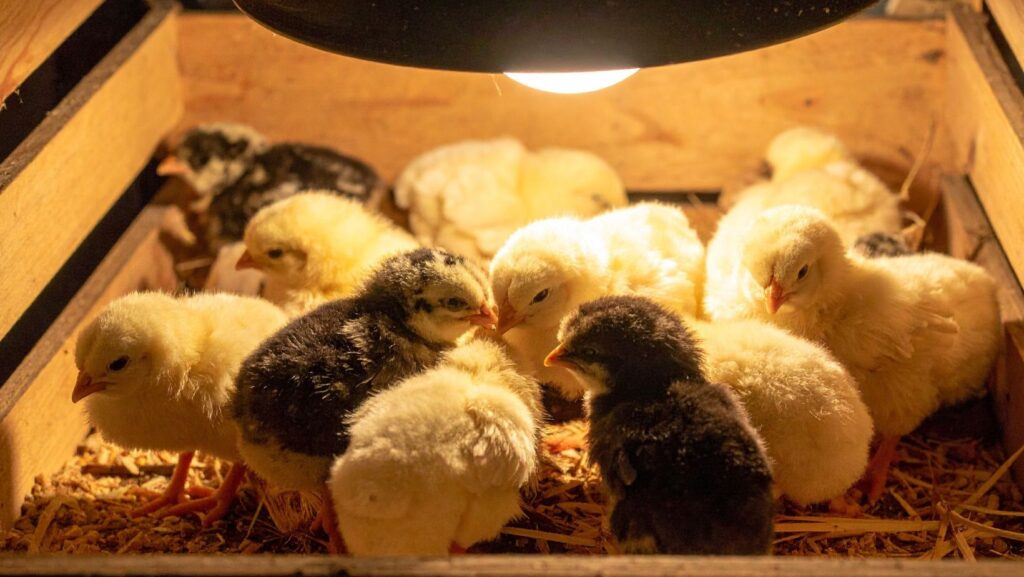
Bringing home new chicks feels exciting, and many new keepers imagine them exploring the yard right away. But young chicks cannot handle outdoor environments during their first weeks. Their bodies cannot regulate heat, their feathers are not developed, and their immune systems remain fragile. Before thinking about your yard, you must prepare a safe indoor brooder that supports warmth, clean bedding, and reliable nutrition. Good early care shapes how strong your flock becomes later.
Many owners search for quality chicks for sale, but the real preparation begins inside the home. A brooder provides the heat, protection, and conditions young birds must have during their first 6–8 weeks. The yard can be prepared in advance, but chicks should not enter it until they feather out and temperatures stay stable. Any early outdoor exposure can risk illness or predator attacks. A safe indoor space allows your chicks to adapt slowly. Once they grow stronger, the yard preparation becomes useful for their next stage of life.
1. Set Up a Warm Brooder Before Anything Else
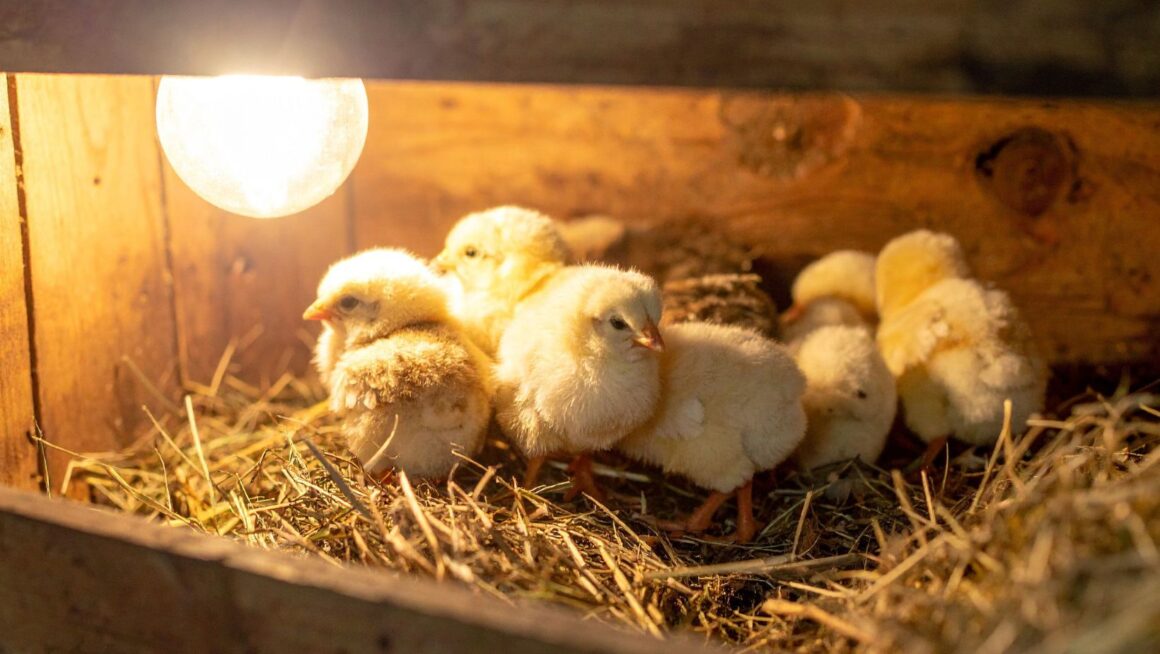
A brooder serves as the chicks’ first home. It must have enough space for all chicks to move freely. A heat source, such as a heat plate or lamp, keeps them warm, as they cannot regulate body temperature during the early weeks. The brooder should stay draft-free and be kept at the correct temperature for their age. Chicks must have a warm zone and a cooler zone so they can shift as needed. Proper warmth prevents stress and supports early development.
2. Prepare Safe Bedding for Clean and Dry Living
Bedding keeps the brooder clean and protects chicks’ feet. Pine shavings or paper-based bedding support healthy footing and absorb moisture well. Avoid slippery surfaces because they can cause leg issues. Clean bedding reduces odor and prevents harmful bacteria from spreading. Replace soiled areas every day to maintain health. Dry bedding keeps young chicks stable during their early growth stage.
3. Stock Starter Feed and Water Supplies Early
Chicks need a specific starter feed formulated for strong development. The feed supports early muscle and bone growth. Feeders should keep food accessible without allowing waste to mix in. Fresh water must remain available at all times. Waterers must be shallow to prevent accidents. Clean water supports digestion and keeps chicks energized. Good feeding habits help them transition to outdoor life later.
4. Maintain Daily Brooder Checks to Keep Chicks Safe and Healthy
A brooder needs daily attention to keep chicks safe during their early weeks. Temperature should stay consistent, without drafts or sudden drops. Feed and water must remain clean because young chicks spill and scratch throughout the day. Quick checks help catch early signs of stress, like crowding under the heat source or avoiding it. Watching behavior tells you whether the brooder feels too warm or too cool. Light cleaning prevents harmful bacteria from building up. Consistent care ensures chicks grow strong before they transition outdoors.
4. Prepare Future Yard Areas for When Chicks Mature
While chicks remain indoors for weeks, preparing the yard now prevents last-minute stress. Plan where the coop will sit and how the run will connect. Clear areas where fencing will go.
Remove sharp objects or old equipment that could harm growing birds once they move outside. Think about shade, water access, and predator risks. Early planning makes the transition smoother for both you and the birds.
5. Build or Inspect the Coop They Will Move Into Later
Chicks need a secure coop by the time they feather out. The coop should provide ventilation, dryness, and protection from weather. The structure must block predators from entering through small gaps. Nesting boxes and roosting bars must be ready before the move. A safe coop supports calm behavior as chicks mature. Proper design helps reduce stress during transition.
6. Secure the Yard Against Predators Before Outdoor Access
Young birds become targets for predators once they go outside. Prepare the yard by checking all fencing for weak points. Patch holes where animals could enter. Install strong wire around coop openings. Raising chicks with a secure outdoor setup prevents many early flock losses. Strong protection keeps the yard safer as they grow. Preparing early avoids panic later.
7. Plan a Safe, Slow Introduction to the Outdoors
Chicks should not go outside until fully feathered. When the time comes, introduce them to outdoor spaces in small increments. Supervise early sessions in a contained area. Make sure the weather stays mild and dry. Gradual exposure helps them adjust without stress. The yard becomes a learning environment once the chicks grow strong. Patience supports healthy long-term behavior.
Before you start searching for chicks for sale on the internet, it’s essential to learn that new chicks must begin life indoors in a warm, clean brooder with proper feed and bedding. Yard preparation becomes important later, once chicks feather out and temperatures stabilize. By preparing both the brooder and the future outdoor space, you give young birds a safe start and a smooth transition to outdoor living when they are ready. Proper planning builds a thriving and confident flock.
More Stories
How to Start a Teddy Bear Collection
Boost Your Cleaning Game: Pressure Washer Tips for Every Space
How Digital Entertainment Fits Into the Lifestyle of Modern Remote Travelers