
Winter places unique pressure on a roof, turning small issues into serious problems if they are ignored. Snow buildup, ice formation, freezing temperatures, and strong winds all test the strength and condition of roofing materials. Preparing in advance allows homeowners to address weaknesses before harsh weather arrives. A proactive approach not only protects the home’s structure but also helps prevent costly emergency repairs during the winter months. Roof preparation is about awareness, maintenance, and timely action to ensure the roof remains stable, weather-resistant, and able to withstand prolonged cold exposure without unnecessary damage.
What Winter Preparation Involves
Inspecting Roofing Materials Before Temperatures Drop
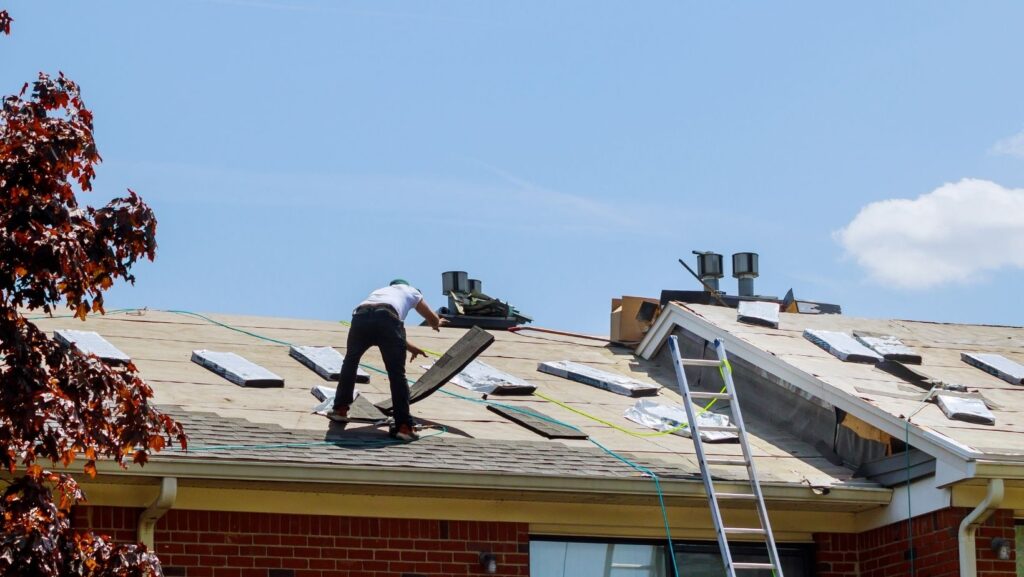
A thorough roof inspection is one of the most important steps in winter preparation. Shingles, flashing, and sealants expand and contract throughout the year, and small gaps can widen once temperatures drop below freezing. Cracked, loose, or missing shingles allow moisture to seep in, where it can freeze and accelerate deterioration beneath the surface. Flashing around chimneys, vents, and skylights should also be checked for separation or corrosion, as these areas are common entry points for water during snow and ice buildup. In colder climates, working with Owl Roofing in Minnesota helps ensure roofing materials are evaluated for freeze–thaw conditions and addressed before winter stress sets in. Addressing visible wear early reduces the risk of ice-related leaks and gives time to complete repairs before snow limits access and makes conditions unsafe.
Clearing Gutters and Managing Water Flow
Proper drainage is critical to protecting a roof during winter. Gutters filled with leaves, debris, or ice prevent melting snow from flowing away from the roofline. When water backs up, it can refreeze along the edges, creating ice dams that push moisture under shingles. Cleaning gutters before winter ensures that water has a clear path away from the structure. Downspouts should also be checked to confirm they direct water far enough from the foundation. Effective water management reduces strain on roofing materials and helps maintain structural integrity throughout the season. Taking time to manage drainage systems prevents minor blockages from turning into widespread moisture damage once freezing conditions become consistent.
Checking Attic Insulation and Ventilation Balance
Roof performance in winter is closely tied to what happens inside the home, particularly in the attic. Poor insulation allows heat to escape, warming the roof surface and causing snow to melt unevenly. When that water refreezes near colder edges, ice dams form. Proper insulation keeps warm air inside the living space, while balanced ventilation allows cold air to circulate above the insulation layer. This balance helps maintain a consistent roof temperature, reducing ice buildup. Preparing the roof for winter includes evaluating attic airflow and insulation coverage. Addressing these factors improves energy efficiency and protects roofing materials from stress caused by temperature fluctuations that originate inside the home.
Sealing Vulnerable Areas Against Moisture Intrusion
Winter storms often bring wind-driven snow and ice that can force moisture into small openings. Sealing vulnerable areas around roof penetrations helps prevent this intrusion. Sealants and underlayment materials degrade over time, especially when exposed to the sun and rain. Replacing worn sealants before winter reduces the risk of hidden leaks that only become visible once damage has progressed. Attention should be given to valleys, joints, and transitions where different roofing elements meet.

These areas experience higher water flow and pressure during snowmelt. Reinforcing these weak points strengthens the roof’s overall resistance to winter conditions and adds an extra layer of protection during prolonged cold spells.
Planning for Snow Load and Safe Maintenance
Heavy snow accumulation adds weight to a roof, particularly after repeated storms. Understanding the roof’s design and load capacity helps homeowners recognize when snow removal may be necessary. Preparation includes identifying safe access points and using proper tools to avoid damaging shingles during removal. It is also important to recognize when conditions are unsafe for personal intervention. Planning reduces the temptation to take risks during storms. Winter preparation is not only about physical adjustments to the roof but also about setting expectations for monitoring and maintenance throughout the season. A prepared plan supports safety while preserving the roof’s condition.
Strengthening Your Roof Before Winter Arrives
Preparing a roof for winter is an investment in stability, safety, and peace of mind. By inspecting materials, managing drainage, balancing insulation, sealing vulnerable areas, and planning for snow load, homeowners reduce the risk of winter-related damage. Cold weather amplifies existing weaknesses, making early preparation essential rather than optional. A well-prepared roof performs more consistently under stress and protects the home beneath it. Taking action before winter sets in allows homeowners to face the season with confidence, knowing their roof is ready to withstand months of cold, snow, and unpredictable weather.
More Stories
Discovering the UK Through Day Trips, Weekend Breaks, and Smart Travel Tips
What People Actually Like About Living in Durham Region
Why Gas Grills Are A Common Choice For Outdoor Cooking Spaces