
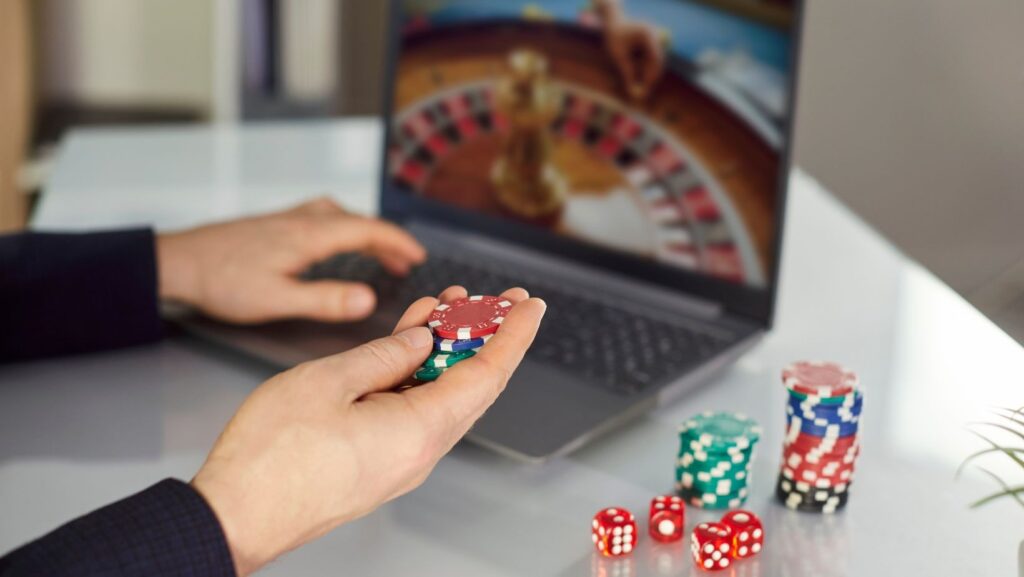
Online casinos may be the product of digital innovation, but beneath their virtual layers lies a global cultural reflection that’s fascinating. From the reverence for luck and symbolism in Asia to the legacy of gaming sophistication in Europe, every region brings its own traditions, values, and philosophies to the digital gambling landscape.
In effect, this has created an online entertainment industry that is far more diverse than it initially may seem. Much as travelers learn about cultural nuances through food or art, exploring online gaming platforms shows how societies view chance, risk, and reward through their particular cultural glasses.
Europe: Tradition Meets Technology
For a very long period of time, Europe has served as the cradle of modern gaming culture. The rich history of the continent, from card games and lotteries to casino houses, glided smoothly into the digital era. From the elegance of Monte Carlo to the modern online platforms of the UK and Scandinavia, Europe knows how to mix sophistication with accessibility.
Convenience and trust are what online gaming platforms primarily focus on in Western Europe, particularly in countries like the Netherlands. Financial technology has shaped user preferences in payment systems like ideal casinos.
It reflects the Dutch penchant for secure and seamless digital transactions. This pragmatic yet forward-looking approach befits the region’s tech-driven culture.
Meanwhile, in countries such as Sweden and Malta, regulation coexists with innovation: operators must satisfy rigid conditions with regard to licensing to protect players and make gameplay transparent, but that has not tamed creativity. Rather, this has pushed companies to design experiences that are responsible, immersive, and culturally tailored.
The classic motifs of roulette tables and refined card decks in European online casinos have been reimagined with modern visual design and gamified reward systems, appealing to both tradition and contemporary digital lifestyles.
Asia: Spirituality, Symbolism, and the Power of Luck
Gambling in Asia has deep historical and spiritual contexts. For many, it is not a chance event but is influenced through energy, alignment, and belief. This mindset has significantly shaped the design and psychology driving online casino experiences for Asian markets.
In many Asian countries, like China and Japan, colors, symbols, and numbers are common representations. The number eight, for example, symbolizes prosperity. The color red represents fortune and joy. Online casino platforms targeting Asian audiences often integrate these elements into their design, from red-and-gold interfaces to dragon imagery, and bonus features tied to lucky numbers.
There is also a social aspect that goes beyond aesthetics: For large parts of Southeast Asia, gaming is something highly social, rather than an activity pursued in solitude. Mobile-first designs and social casino games answer this by offering live interaction, chat rooms, and group play options to mimic the communal aspects of real-world gaming.
With highly varied legislation throughout the continent, Asia nonetheless remains one of the most influential forces in shaping global trends in online casinos, focusing on mobile accessibility, telling stories through visuals, and emotional engagement that inspires developers globally.
North America: Where Entertainment Meets Innovation
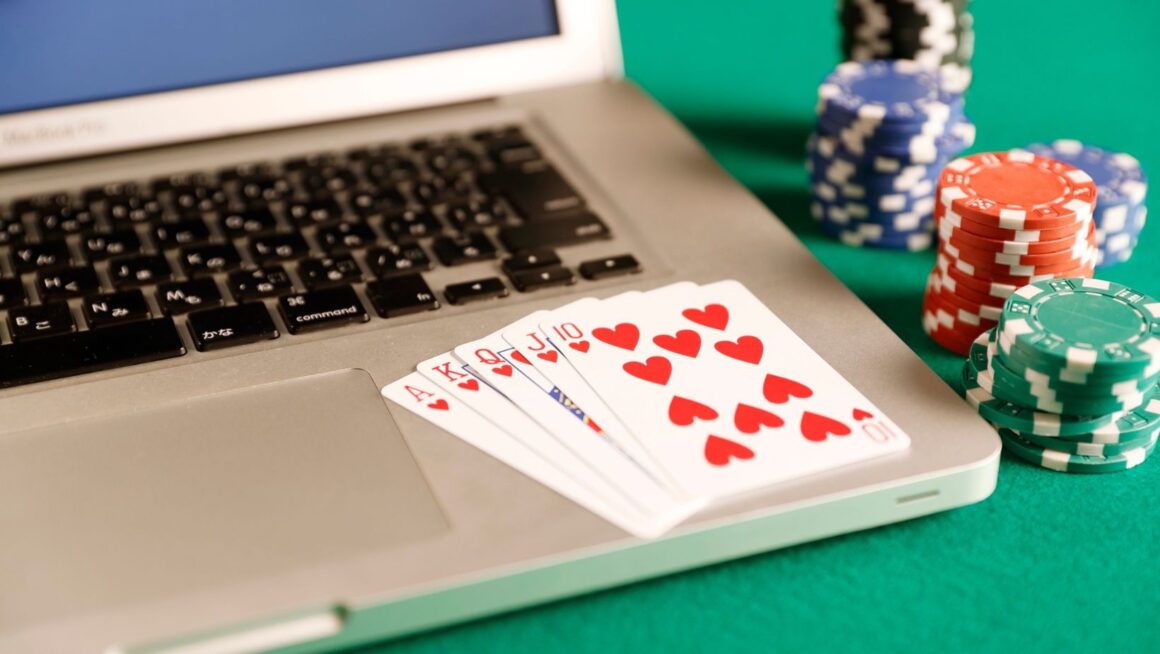
Online gaming in North America has kept pace with the general entertainment industry, where the name of the game is experience: speed, interactivity, and high production value. Casinos are less a place to game and more a fully formed digital entertainment ecosystem.
The merger of sports betting with online casinos in the United States, for instance, has reimagined how consumers interact with these products. Interactive features such as live dealer streams and augmented reality environments bring the energy of Las Vegas to players’ devices. The design language reflects the region’s cinematic culture: bold, fast-paced, and visually striking.
Meanwhile, the online gaming scene in Canada has moved toward one of inclusivity and user trust, where responsible gaming measures and transparency in regulation are a greater focus. Not unlike the greater national identity itself, the industry embodies a balance of fun and fair play.
Globalization and the Rise of Cultural Blending
As the borders are being erased by the internet, online casinos have started to merge their regional features into globally attractive experiences. It is not infrequent to find Asian-themed slot games on European sites or Western-style poker rooms adapted for players in Latin America.
By contrast, globalization means complexity. Various regulatory systems, such as various national self-exclusion programs, can create friction for users seeking flexibility. For instance, in the Netherlands, some players find a way to cruks ontwijken.
In fact, many Iranians reach out to foreign-based services (mostly through a local exclusion registry) to reach international platforms with broader capabilities. This is one of the main tensions existing between cultural preference, regulation, and accessibility.
The challenge today for developers is the need to create places that respect local culture yet appeal to a worldwide palette. The best strike a balance between innovative and sensitive, crafting experiences that feel familiar, yet aspirational.
The Future of Cultural Influence in Online Casinos
Going forward, it becomes obvious that cultural diversity will continue to influence how online casinos evolve. Virtual and augmented reality are opening the possibility for deeper levels of cultural expression where players can be transported into immersive environments reflecting world architecture, festivals, and folklore.
They’re also more likely to work with artists, historians, and cultural consultants for authenticity. A slot game on the Mayan civilization could be more about accurate iconography and narratives instead of stereotypical motifs. At the very bottom line, online casinos are so much more than places to play; they’re virtual gathering spaces where cultures from around the world meet.
Every spin, every flip of a card, and every bonus round tells an important story about how culture perceives chance, prosperity, and creation. From Europe’s balance between tradition and innovation, to deeply symbolic Asia and the spectacle of North America, one universal truth emerges from the cultural side of online casinos: whatever your background, the need for excitement, connection, and meaning knows no frontier.
More Stories
Update To The Rules On Maximum Bets When Wagering Bonuses At Pin-Up: What Is Now Allowed And What Is Not
Highest UK Slot Casinos Offering Free Spins for Players
Betting on the Road: How Travelers Use Melbet While Exploring New Places