
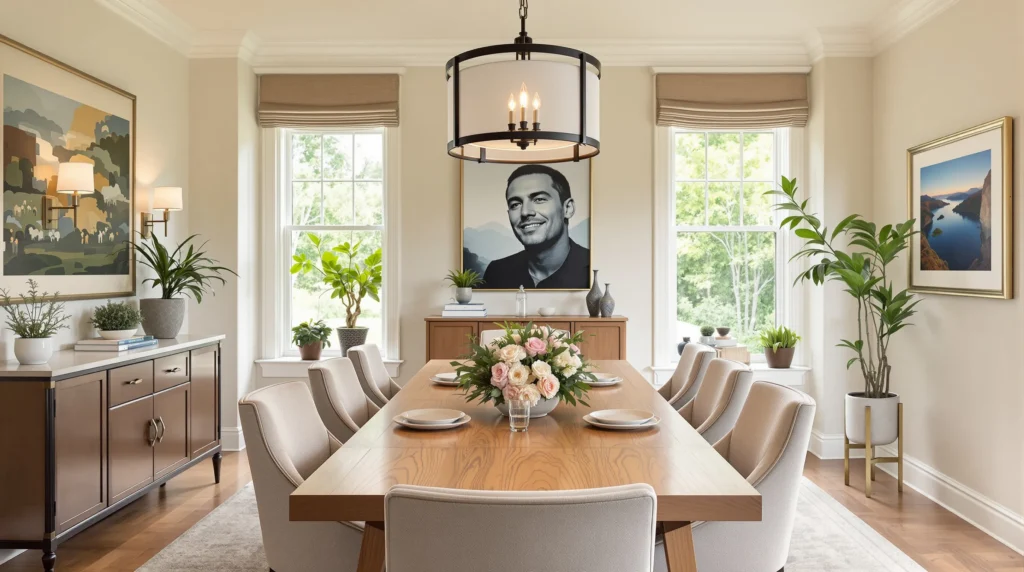
Picture this: You’re sitting at your dining table, sunlight streaming through the window, the scent of fresh coffee in the air. The chairs feel just right, the colors make you smile, and every detail feels like it belongs. That’s the magic of great dining room interior design. It’s not just about picking a table or hanging a light fixture—it’s about creating a space where people want to linger, laugh, and connect. If you’ve ever felt your dining room was missing something, you’re not alone. Most people struggle to make this space feel both stylish and welcoming. Here’s why: dining rooms are often afterthoughts, stuck between the kitchen and living room, rarely getting the attention they deserve.
Why Dining Room Interior Design Matters
Let’s break it down. The dining room isn’t just a place to eat. It’s where birthdays get celebrated, tough conversations happen, and holiday meals turn into lifelong memories. A well-designed dining room sets the mood for all of it. If your space feels cold or cluttered, people rush through meals. If it feels inviting, they stay, talk, and connect. That’s the real power of dining room interior design.
Start with the Table: The Heart of the Room
Here’s the part nobody tells you: the table isn’t just furniture—it’s the anchor. Get this wrong, and everything else feels off. Round tables work wonders in small rooms, making conversation easy. Rectangular tables fit bigger families or frequent dinner parties. If you’re tight on space, consider an extendable table. I once bought a table that looked gorgeous online but barely fit my chairs. Lesson learned: always measure your space and leave at least 36 inches around the table for easy movement.
Choosing the Right Material
Wood brings warmth and character. Glass feels modern and opens up a room. Metal can look sleek but sometimes feels cold. If you have kids, skip the glass—fingerprints are a nightmare. For a cozy vibe, go for a wood table with a lived-in finish. If you want something bold, try a marble top. Just know it stains easily, so keep coasters handy.
Chairs: Comfort Meets Style
Ever sat through a long dinner on a hard chair? Not fun. Dining room interior design means thinking about comfort as much as looks. Upholstered chairs invite guests to linger, while wooden chairs are easy to clean. Mix and match styles for a collected look, or stick to one design for a classic feel. If you’re short, avoid deep seats. If you love hosting, invest in chairs with arms for extra comfort.
Lighting: Set the Mood
Lighting can make or break your dining room interior design. Overhead fixtures like chandeliers or pendant lights draw the eye and set the tone. Hang your light about 30-36 inches above the table for the best effect. Dimmer switches are a game-changer—bright for homework, soft for dinner parties. Don’t forget candles or a small lamp for extra warmth. I once swapped a harsh ceiling light for a vintage pendant, and suddenly, my dining room felt like a cozy bistro.
Color and Texture: Make It Personal
Color shapes how a room feels. Soft blues and greens calm the mind, while deep reds and golds spark appetite and conversation. If you’re nervous about bold colors, start with an accent wall or colorful chairs. Textures matter, too. Layer a woven rug under the table, add linen napkins, or hang velvet curtains. These small touches make your dining room interior design feel intentional and lived-in.
Storage: Keep Clutter at Bay
Here’s a secret: even the prettiest dining room falls flat if it’s messy. Sideboards, buffets, or built-in shelves keep dishes, glasses, and linens close but out of sight. If you’re short on space, try a bench with hidden storage or wall-mounted shelves. I once crammed all my serving platters into a tiny cabinet—until I realized a vintage sideboard could hold everything and look good doing it.
Art and Decor: Show Your Story
Dining room interior design isn’t just about furniture. Art, photos, and decor tell your story. Hang a gallery wall of family photos, display a favorite painting, or add a quirky sculpture. Plants bring life and color. Fresh flowers on the table always work. If you’re stuck, start with one piece you love and build around it. Don’t worry about matching everything—your personality is the secret ingredient.
Who Should Focus on Dining Room Interior Design?
If you love hosting, crave a cozy family space, or want your home to feel more “you,” this is for you. If you never eat at the table or prefer takeout on the couch, you might not need to invest as much. But even then, a well-designed dining room can surprise you. It might just become your favorite spot.
Common Mistakes and How to Avoid Them
- Buying a table that’s too big or too small for the room
- Ignoring lighting—overhead only is rarely enough
- Choosing style over comfort with chairs
- Forgetting about storage
- Playing it too safe with color and decor
Here’s the fix: measure everything, layer your lighting, test chairs before you buy, and don’t be afraid to show your style. If you make a mistake, don’t stress. Every great dining room interior design story has a few missteps along the way.
Actionable Tips for Your Dining Room Interior Design
- Measure your space before buying anything
- Pick a table shape that fits your lifestyle
- Mix textures—think wood, metal, fabric, and glass
- Layer lighting for different moods
- Add storage to keep clutter away
- Personalize with art, plants, or family photos
- Test chairs for comfort, not just looks
- Try a bold color or pattern, even if it’s just a rug or wall
Next steps: Walk into your dining room and ask yourself how it feels. What’s missing? What do you love? Start small—a new light, a fresh coat of paint, or a piece of art. Dining room interior design isn’t about perfection. It’s about creating a space where you want to be, where memories happen, and where your style shines through. If you’ve ever doubted your design instincts, trust them. The best dining rooms aren’t copied from magazines—they’re built from real life, one meal at a time.
More Stories
How Momo Handles Transform Kitchens and Cabinetry
8 Quick Centerpiece Ideas for Last-Minute Hosts
How to Set Up a Home Theater Room Without Breaking the Bank