
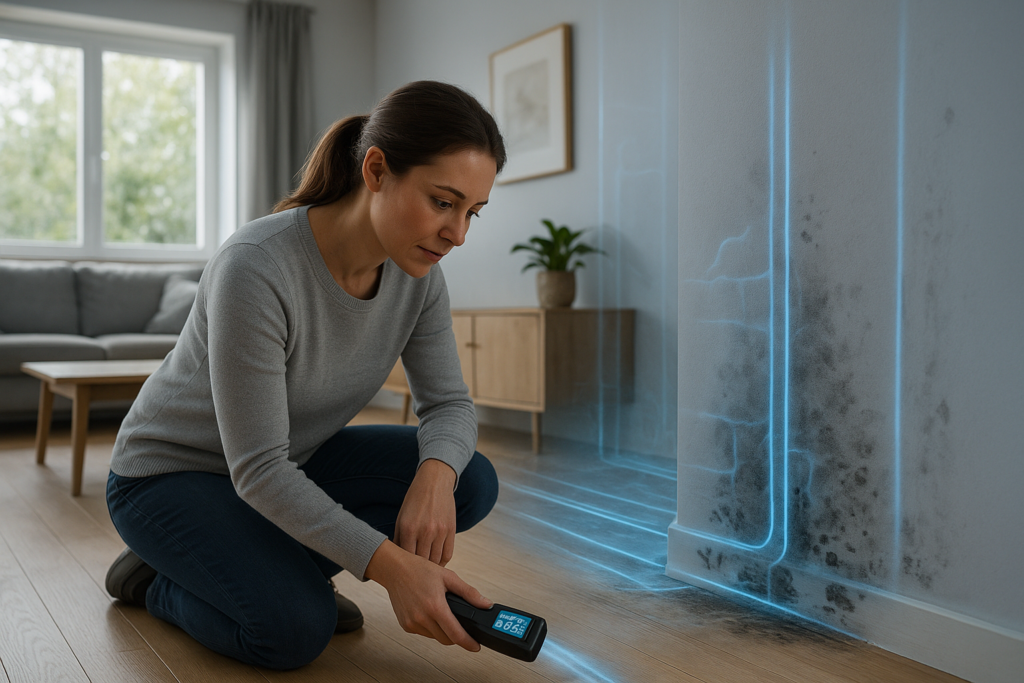
Detecting hidden water leaks early is crucial for maintaining the structural integrity of your home and managing your water bills efficiently. Unseen leaks can quietly wreak havoc, leading to significant damage over time. Not only can they cause structural and water bill issues, but they also pose potential health hazards. Mould and mildew thrive in damp conditions, leading to respiratory problems and exacerbating allergies. Therefore, understanding how to detect concealed leaks and adopting preventive measures can save homeowners a world of trouble and expense.
Understanding the Common Causes of Water Leaks
One of the primary causes of water leaks is ageing infrastructure. Pipes, like every other component in a house, wear down over time. As pipes age, they become more susceptible to cracks and breaks. Alongside ageing pipes, poor installation can also lead to leaks. If plumbing systems are improperly installed, even the highest quality materials may fail.
The weather plays its part too. In areas with fluctuating climates, pipes expand and contract with temperature changes. This movement, if substantial, can lead to connections becoming loose or pipes cracking over time.
Pressure variance is another contributing factor. Water lines are designed to handle a certain amount of pressure, but pressure that’s too high or low can stress these lines, leading to potential leaks. Household appliances, such as dishwashers, washing machines, and refrigerators with water dispensers, can also become culprits of water leakage. Over time, the connections and hoses in these appliances can degrade.
Identifying the Signs of Hidden Water Leaks
Detecting a hidden water leak means paying close attention to subtle signs. One of the first indicators is an unexpected spike in the water bill. If there hasn’t been a significant change in water use, this could suggest a hidden leak lurking somewhere in the system.
Another tell-tale sign is the appearance of damp patches or water stains on walls, ceilings, or floors. Although a fresh coat of paint might initially hide these signs, they’ll eventually show through if the underlying leak isn’t addressed.
Mould and mildew growth provide another clue. These fungi flourish in humid conditions, and if they’re growing in unusual spots, such as under carpets or on walls, this can indicate a hidden leak. Additionally, unusual sounds like dripping or hissing, and musty smells can signal an unseen water issue needing investigation.
Tools and Techniques for Detecting Leaks
Several tools are available for homeowners wishing to identify leaks themselves. Moisture meters can determine the moisture level in walls and floors, indicating potential leaks. Thermal imaging cameras are another option for detecting temperature differences that could suggest leaking pipes.
A simple home test is the water meter test. By noting the water meter reading, refraining from using water for a few hours, and then checking the meter again, you can identify if there’s an unusual increase indicating a leak.
Food colouring offers another DIY method. Adding colouring to the toilet tank and checking if it seeps into the bowl without flushing can uncover toilet leaks.
However, there comes a time when professional services are needed. Plumbing experts use advanced tools to find water leaks with precision, ensuring issues are dealt with effectively.
Preventative Measures to Avoid Future Leaks
Regular inspections are a vital preventative measure. Homeowners should routinely check visible pipes, appliances, and connections for signs of wear. Maintenance checks can identify minor issues before they escalate into more significant problems.
When installing appliances or plumbing fixtures, following best practices is crucial. Proper installation reduces the risk of leaks considerably. For outdoor plumbing, manage landscaping carefully. Roots from trees and large shrubs can damage underground pipes, leading to leaks.
Upgrading to modern, leak-resistant materials can also help in preventing future leaks. Materials like PEX piping are designed to withstand pressure and temperature changes better than older materials such as copper or PVC.
Repairing and Addressing Found Leaks
Minor leaks might be manageable with DIY solutions. Fixes such as pipe clamps, sealing tape, or epoxy putty can temporarily stop leaks. However, professional repair services might be necessary for more severe leaks. Such experts can offer long-lasting solutions and ensure repairs comply with local regulations.
Temporary fixes can hold in emergencies, but they should never replace proper repairs. In cases of substantial damage, demanding urgent care from a professional helps prevent further complications and costs.
Documenting all repairs and upgrades is crucial, providing a maintenance history for future reference or when you decide to sell your home.
Conclusion
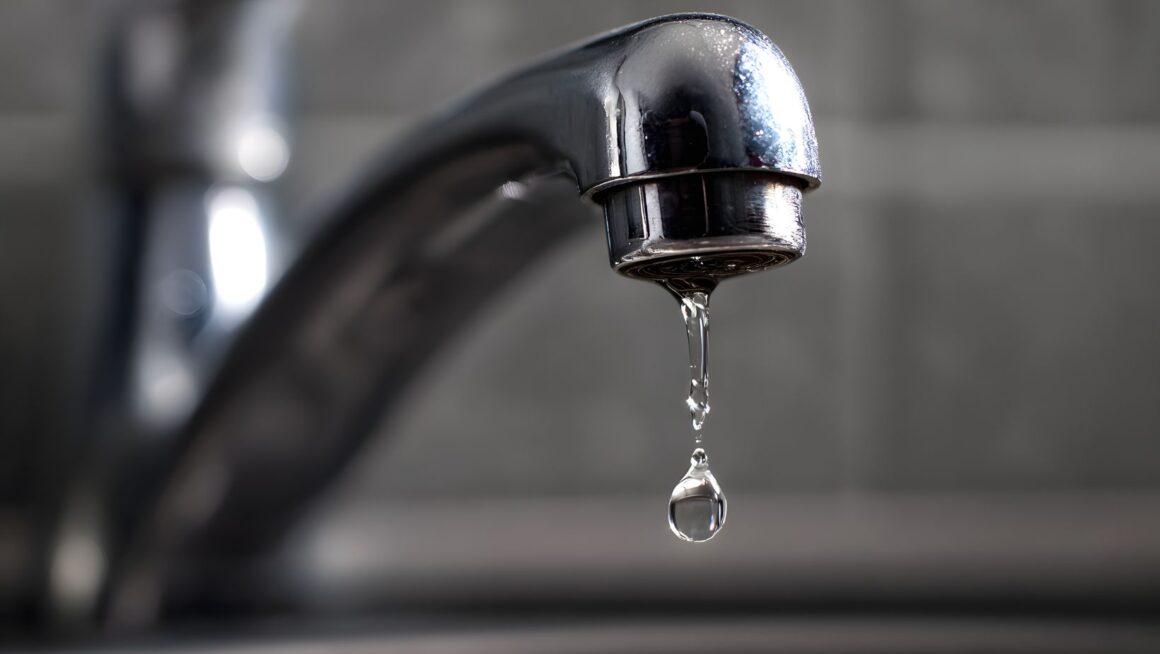
In conclusion, detecting and preventing water leaks is integral to maintaining a safe, healthy home environment. Early detection and proactive measures not only protect your property but also deliver long-term financial savings and health benefits. Integrating regular leak checks into your home maintenance routine is a wise step. Encouraging regular inspections and considering preventative upgrades can safeguard against the disruption and expense that water leaks entail. Taking the time now for a home inspection may prevent larger, more costly headaches down the line.
More Stories
Why Seasonal Lawn Care Services Is a Must for Keeping Your Grass Healthy Year-Round
Why Sacramento’s Food Scene is World-Class
Leading Residential Property Management Companies in Australia