
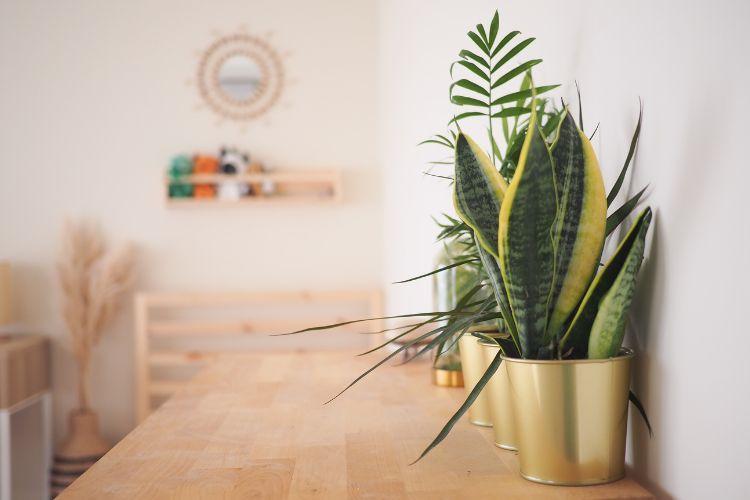
The average person spends roughly 90% of their time indoors, and we’ve become disconnected from the natural environment that humans evolved in for millennia. This separation from nature comes at a cost to our mental and physical health. Enter biophilic design: an approach to interior spaces that seeks to reconnect us with the natural world by incorporating plants, natural light, organic materials, and nature-inspired patterns into our living environments. Far from being merely aesthetic, biophilic design offers tangible health benefits backed by scientific research.
The Science Behind Biophilic Design
The term “biophilia” literally means “love of life” and describes humanity’s innate tendency to seek connections with nature and other forms of life. When we bring natural elements into our homes, we’re creating environments that support our biological need for connection with the natural world.
Research consistently demonstrates the profound impact that indoor plants and natural elements have on our well-being. A 2015 experimental study revealed that interacting with indoor plants reduced psychological stress and lowered diastolic blood pressure compared with computer tasks. Participants in the study reported feeling more comfortable and soothed when engaging with plants rather than screens — a finding particularly relevant in our digitally saturated age.
The benefits extend beyond stress reduction. Systematic reviews examining dozens of studies report that indoor plants tend to increase positive emotions, reduce negative feelings, and improve overall mood. While the strength of effects varies across different experiments, the consistent pattern suggests that incorporating greenery into our living spaces offers meaningful psychological advantages.
Core Elements of Biophilic Design
Successful biophilic design integrates multiple natural elements to create harmonious, health-promoting spaces. Here’s how to incorporate these principles into your home.
Plants and Greenery
Living plants are the most direct way to bring nature indoors. Beyond their aesthetic appeal, plants improve indoor air quality by filtering toxins and producing oxygen.
Consider creating layers of greenery with floor plants like fiddle leaf figs or monstera, tabletop plants such as pothos or snake plants, and hanging varieties like string of pearls or tradescantia. Even small apartments can accommodate plants on shelving, windowsills, or mounted on walls.
For those new to plant parenthood, start with low-maintenance varieties like ZZ plants, spider plants, or succulents. As your confidence grows, expand your collection to include more diverse species that create visual interest and maximize health benefits.
Natural Light
Maximizing natural light should be a priority in any biophilic design scheme. Sunlight regulates our circadian rhythms, boosts vitamin D production, and improves our mood. Remove heavy curtains that block light, opting instead for sheer fabrics that filter without obstructing. Position mirrors strategically to reflect natural light deeper into rooms. If your space lacks enough windows, consider full-spectrum lighting that mimics natural daylight.
Organic Materials
Replace synthetic materials with natural alternatives wherever possible. Wooden furniture, bamboo accessories, stone countertops, cotton and linen fabrics, and wool rugs all contribute to a more organic aesthetic. These materials often age beautifully, developing character over time rather than simply wearing out. Natural materials also tend to have better thermal properties and contribute to healthier indoor air quality compared to their synthetic counterparts.
Water Features
The sound and presence of water connect us to nature in primal ways. Small tabletop fountains, aquariums, or even recorded nature sounds featuring flowing water can create calming atmospheres. Water features add humidity to dry indoor environments while providing soothing auditory experiences.
Nature-Inspired Patterns and Colors
Incorporate colors, patterns, and forms found in nature. Earth tones like terracotta, sage green, warm browns, and soft blues create calming palettes. Fractal patterns, organic shapes, and nature photography or artwork reinforce the connection to the outdoors. Even textiles featuring botanical prints or natural textures contribute to the overall biophilic effect.
Sharing the Green Life: Finding Like-Minded Roommates
For those living in shared housing situations, successfully implementing biophilic design requires cooperation and shared enthusiasm. Not everyone appreciates the responsibilities that come with maintaining a plant-filled home, and conflicts over care duties can arise.
This is where finding the right roommates becomes crucial. When searching for potential roommates, be upfront about your commitment to maintaining a green living space. Platforms like SpareRoom allow you to connect with roommates in Los Angeles, NYC, Boston, and more, who share your values, including a love of plants and natural living environments. In your roommate profile or when meeting potential housemates, discuss expectations around plant care, comfort levels with having numerous plants in common areas, and willingness to share responsibilities.
Setting a shared plant care routine can actually strengthen roommate relationships. Create a simple schedule for watering and looking after plants in common areas like living rooms, kitchens, and entryways. Consider assigning each person responsibility for specific plants or rotating duties weekly. Some roommates enjoy making plant care a social activity, watering together while catching up about their week.
For shared spaces, choose resilient plants that can handle occasional neglect, and use self-watering pots or planters with water level indicators to minimize the risk of under or overwatering. Keep a shared care guide visible so everyone knows each plant’s specific needs.
Getting Started with Biophilic Design
Transforming your space doesn’t require a complete renovation or significant financial investment. Start small by adding a few easy-care plants to your bedroom or living area. Replace one synthetic item with a natural alternative. Open your curtains wider to invite more daylight in.
Pay attention to how these changes affect your mood, stress levels, and overall sense of well-being. Most people notice improvements within weeks of introducing more natural elements into their homes. As you experience the benefits firsthand, you’ll likely feel motivated to expand your biophilic design efforts.
The beauty of biophilic design lies in its accessibility. Whether you live in a spacious house or a compact apartment, whether you’re a homeowner or renter, you can incorporate natural elements that improve your health and happiness. By reconnecting with nature within your own four walls, you’re creating a more attractive space and investing in your physical and mental wellbeing for the long term.
References
-
Scribner, H. (2018). ‘Indoor generation’: Here’s how much time we spend indoors. Deseret News.
-
Lee MS, Lee J, Park BJ, Miyazaki Y. (2015). Interaction with indoor plants may reduce psychological and physiological stress by suppressing autonomic nervous system activity in young adults: a randomized crossover study. J Physiol Anthropol.
-
Han KT, Ruan LW, Liao LS. (2022). Effects of Indoor Plants on Human Functions: A Systematic Review with Meta-Analyses. Int J Environ Res Public Health.
-
Stanborough RJ. (2020). A Hobby for All Seasons: 7 Science-Backed Benefits of Indoor Plants. Healthline.
More Stories
8 Quick Centerpiece Ideas for Last-Minute Hosts
How to Set Up a Home Theater Room Without Breaking the Bank
Dining Room Interior Design: Transforming Your Space with Style