
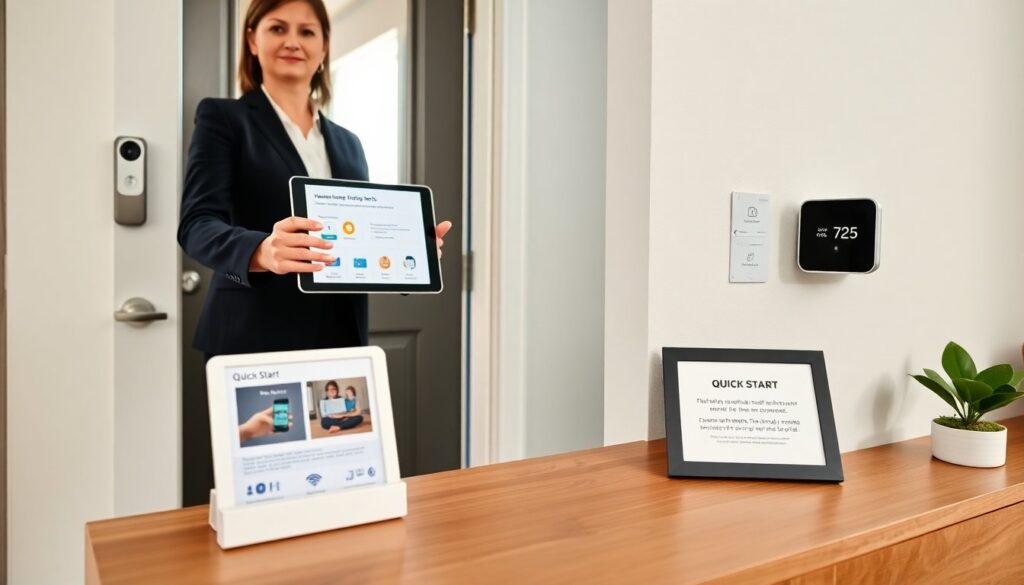
Home the home trotters friendly tech helps guests settle in fast. The article shows practical devices and setup steps that make short stays smooth. It focuses on entry, comfort, connectivity, security, and energy. The reader gets clear device options, quick tips, and links to resources they can use right away.
Key Takeaways
- Home the home trotters friendly tech enhances guest experience by simplifying entry, comfort, connectivity, security, and energy management in short stays.
- Smart locks and video doorbells improve hassle-free entry with coded access and visitor monitoring, reducing lost keys and enhancing security.
- Automated heating, cooling, and lighting systems ensure comfort on demand while saving energy and allowing easy guest control.
- Reliable, fast Wi-Fi with guest networks and streaming setups meets traveler expectations and supports seamless entertainment.
- Remote monitoring with sensors and cameras provides peace of mind and quick issue response while respecting privacy and local laws.
- Energy-efficient devices like smart plugs and LED lighting reduce costs and appeal to eco-conscious guests, boosting sustainable stays.
Why Tech-Friendly Homes Matter For Home Trotters
Home the home trotters friendly tech matters because it reduces friction at arrival and during the stay. Hosts who add simple tech cut repeated questions and save time. Guests who find clear instructions and consistent systems leave better reviews. Properties with intuitive devices get more repeat bookings and higher occupancy. The site notes general advantages of smart living and lists use cases for short-stay rentals. For a deeper look at smart gains, the host can link to a guide on the benefits smart page that explains common returns and guest-friendly features.
Hassle-Free Entry: Smart Locks, Video Doorbells, And Guest Access
Smart locks let hosts grant coded access without physical keys. Video doorbells record deliveries and show visitors in real time. Temporary digital codes reduce lost-key incidents and allow staggered check-in. Hosts should pick locks with event logs and easy code management. The team recommends locks that support mobile apps and keypad fallback. For visibility on benefits, the host can reference a beginner resource on smart home that covers entry tools and common setups. Guests appreciate a short access note and one-line instructions in the app or message.
Comfort On Demand: Heating, Cooling, And Lighting Automation
Thermostats that learn schedules help keep spaces ready when guests arrive. Smart thermostats switch modes for away periods and save energy between stays. Automated lights can follow simple scenes for arrival, dinner, and sleep. Hosts should set default scenes that work for most guests and allow manual override. A basic rule: use clear labels and short instructions so guests can change settings without confusion. Devices should support local manual controls in case the network fails. Hosts must test scenes at different times to confirm temperature and light feel right.
Reliable Connectivity And Entertainment For Short Stays
Fast Wi‑Fi ranks high in guest expectations. Hosts should offer a separate guest network with simple credentials. They should place the router centrally and consider a mesh system for multiroom coverage. For streaming, hosts can provide devices that support common services and sign-in methods that reset after checkout. A short instruction card helps guests launch TV apps and cast from phones. Hosts should check bandwidth before peak times and upgrade plans if devices stutter during streaming.
Security, Remote Monitoring, And Peace Of Mind
Motion sensors and door contacts alert hosts to unusual activity without capturing private moments. Cameras should focus on entry points and exterior areas only. Hosts must disclose active monitoring in the listing and follow local rules. Remote monitoring tools help hosts respond quickly to issues like leaks or power loss. Simple automation can send text alerts for high water readings or smoke detector triggers. Hosts should keep emergency contact steps visible and test alert chains regularly to confirm response times.
Energy Efficiency, Cost Savings, And Sustainable Choices
Smart plugs and energy-aware thermostats lower utility expenses during gaps between bookings. LED lighting and timed power cutoffs reduce waste. Hosts can track consumption with devices that report hourly usage and set limits for high-draw appliances. Small investments often pay back within months on busy calendars. Sustainable choices also appeal to guests who value lower-impact stays. The host can cite documented benefits on the benefits smart page to guide purchase decisions.
More Stories
Home, Finance & Tech: The Ever‑Evolving Trends Shaping TheHomeTrotters In 2026
How Home Trotters Drive Energy-Efficient Motor Improvements: Practical Steps For 2026
Geographically Distributed Edge Architectures: Optimizing Multi-Region Microservices and Global Traffic Routing