
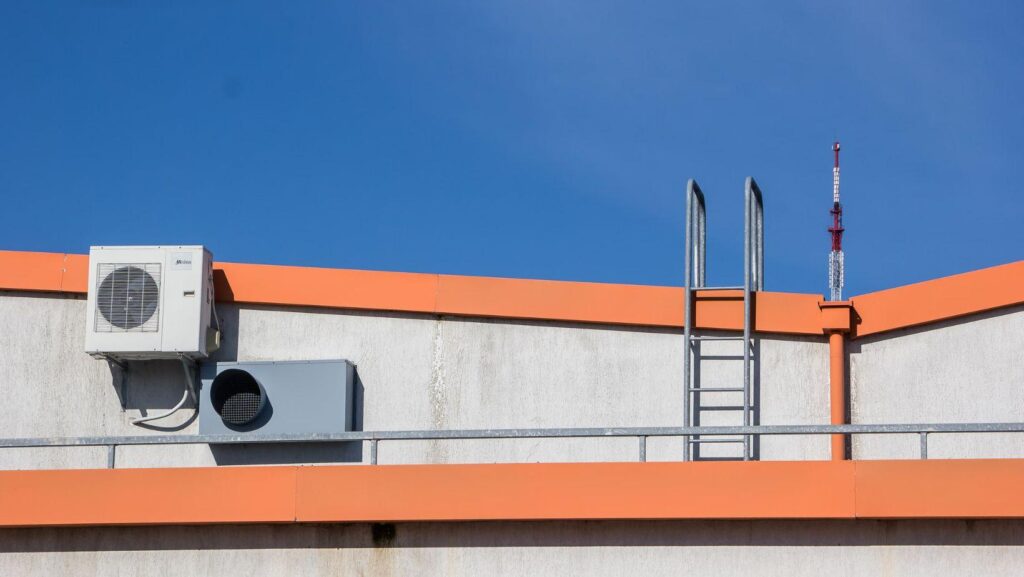
Your system has to perform throughout the year, but it will function properly with periodic maintenance. A seasonal checklist will help you avoid problems, improve comfort, and reduce operating costs.
Maintenance during the Seasons will help your system stay optimum and avoid expensive repairs. The Environmental Protection Agency said in the United States that Insulation and sealing air leaks can help homeowners save up to 15% on heating and air conditioning.
Maintaining your heating and cooling equipment year-round will prevent many common problems before they even start, while boosting efficiency. The following tips will have you creating an efficient seasonal heating and cooling plan.
Get Your Furnace Ready Before Cold Weather
The time you prepare your heating system for the next season is fall. Replace your system’s air filter, check your thermostat, and make sure all of your vents are on and open.
A common inspection service includes upkeep of burners, heat exchangers, safety controls, electrical parts, airflow, and combustion efficiency. Many industrial maintenance technician programs teach critical skills on preventive planning crucial during inspections.
Prepare Your Air Conditioner Before Summer
Before the summer starts, be sure you examine your outdoor unit and make sure nothing like stray leaves or dirt blocks the air from getting into the system. Make at least two feet surrounding the condenser by cleaning the space all around it.
Dirty coils will decrease the efficiency and cause the system to operate in a strained mode. Get a professional checkup before summer to check refrigerant, electrical, and other system performance. Users can do basic cleaning.
Otherwise, if you need electrical repairs or refrigerant work, we advise you to phone the specialists for safety reasons and the correct working conditions. Seasonal readiness checklist:
- Clean the outside condenser coils
- Near the unit, get rid of any rubbish or weeds
- Before the approaching summer, find out the air conditioner’s cooling effectiveness
Track Energy Use Throughout the Year
Check your monthly energy bills for variations in utility costs that are associated with operating your HVAC system. Any unusual increase in your heating and cooling operating costs when the weather has not changed significantly, it may indicate the system is not performing properly.
Maintain a simple list of filter replacements, service calls, thermostat adjustments, unwanted sounds, and monthly energy consumption. Such a history will assist in developing a pattern and may serve up useful information to service technicians on subsequent inspections.
Replace Air Filters on a Regular Schedule
Before the air is inhaled, the filter removes any impurities, dust, pollen, or fur from it. The filter can limit the volume of air flowing to and from the system should it get blocked. It may strain the system greatly and compel it to operate more, risking a breakdown.
Every month, check the air filter, and every one to three months, depending on your home, change it. If you live in a home with some pet dander or allergy sufferers, there will be a need for more frequent replacements than if there is little dust at home.
Check Ductwork and Outdoor Areas
Leaking or broken ducts let warm or cooled conditioned air escape into the unconditioned sections of the house before it reaches the rooms. Have any available ductwork gaps or leaks found and sealed with suitable duct sealing materials.
Make sure the outside unit’s airstream is not blocked by grass, leaves, branches, or debris. Provide plenty of open areas around the AC so it can run at an efficient level. Keep things off of the unit, or do not keep your garden tools or other items leaning against the unit.
Schedule Annual Professional Maintenance
Annual maintenance is the most effective approach to prolong the life of your heating and cooling system. Seen for the first time each year, little leaks and fissures will be found before anything serious has to be fixed.
Certified service technicians will inspect your equipment and ensure safe and energy-efficient operation. In a full tune-up, a technician will, for a typical system, clean important components of the system and make sure all electrical connections are good.
Also check safety controls, measure air flow, oil all required moving parts, and check the operation of the system. Do not try to handle the electrical or refrigerant parts yourself. They require specialized, extensive knowledge and skill.
Build a Maintenance Routine That Lasts
Changing the schedule to match each season’s heating and cooling needs makes maintaining your home simpler all year long. Easy seasonal chores make the work throughout the year easier, so you’ll get the performance you expect and enjoy the comfort throughout the seasons.
A pre-arranged maintenance schedule also adds longevity to your units and will create a steadier operation over time. Make your yearly maintenance call and keep your heating and cooling operating at a higher level.
More Stories
How to Reclaim a Garage That Has Become a Storage Space
Are Millipedes Dangerous or Mostly a Moisture Problem?
What Anaheim Families Should Know About Termite Activity Near Living Spaces