
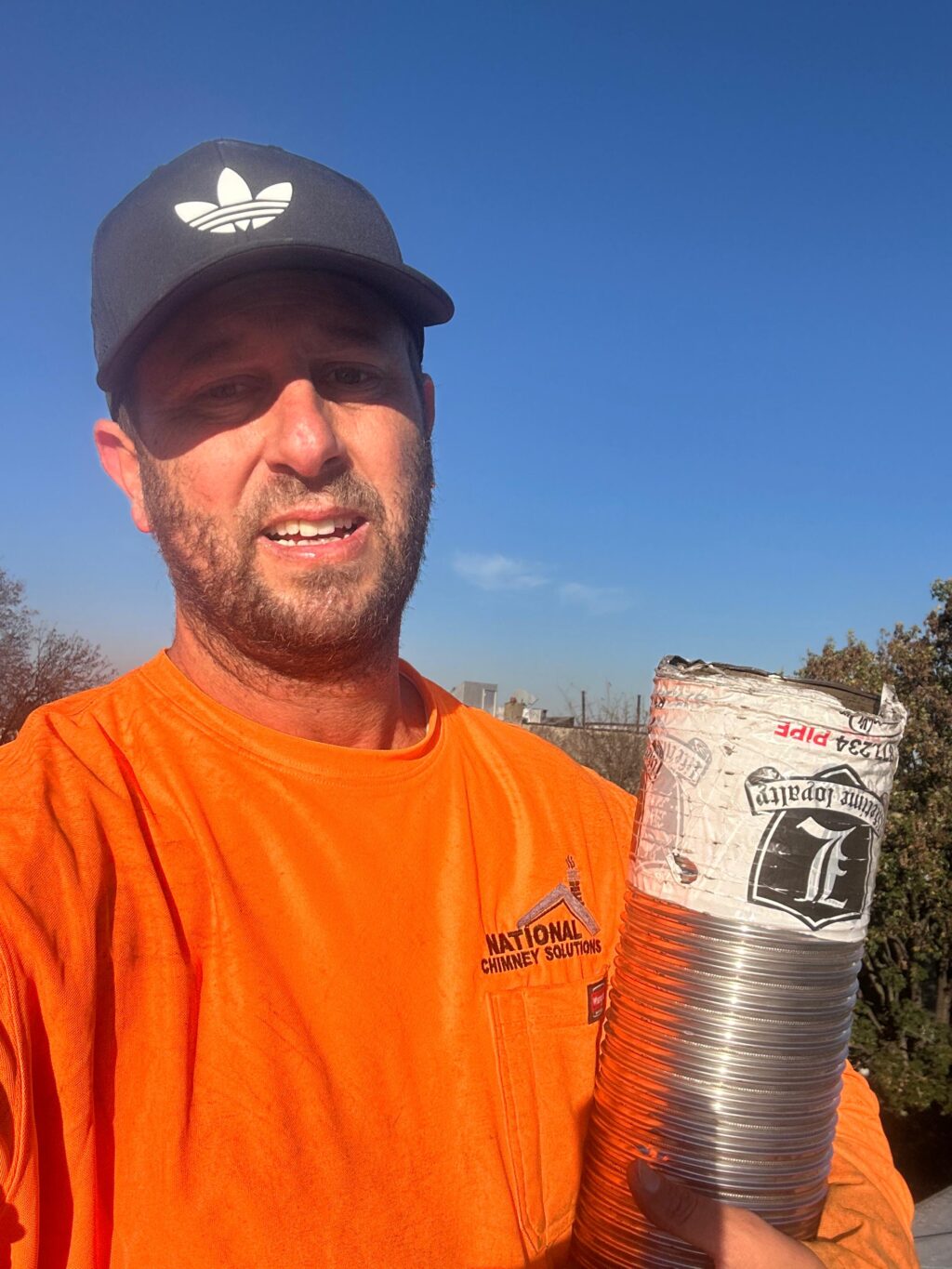
Maintaining a safe, efficient home in New York comes with unique challenges, particularly when it comes to the complex systems hidden within your walls—specifically, your chimney. Many homeowners don’t realize that the health of their fireplace and heating appliances is inextricably linked to the integrity of their chimney liner. Whether you are dealing with an aging masonry chimney or installing a modern high-efficiency stove, professional chimney liner installation is a non-negotiable step for long-term safety.
At U.S. Chimney Service, we pride ourselves on being the local experts New Yorkers trust to handle these critical infrastructure needs. If you are noticing smoke problems, draft issues, or simply realize it has been years since your last safety check, it is time to get to know why proper lining is the most important investment you can make for your chimney.
Why Professional Chimney Liner Installation Is Critical
A chimney liner is the “exhaust pipe” for your fireplace or furnace. Without it, your chimney walls are directly exposed to intense heat, moisture, and corrosive combustion byproducts. Over time, these elements degrade the masonry and mortar joints, creating dangerous cracks that allow toxic gases—including invisible, odorless carbon monoxide—to seep into your home.
Professional chimney liner installation provides a sealed, durable pathway that ensures combustion gases are safely vented outside. For homeowners in New York, where varying temperatures and seasonal use put significant stress on chimney structures, a stainless-steel liner is widely considered the “gold standard.” It is durable, resistant to corrosion, and often comes with a lifetime warranty, offering peace of mind that a DIY fix or an outdated clay tile liner simply cannot provide.
Don’t Wait for a Crisis: The Importance of a Chimney Liner Inspection
How do you know if your liner is failing? Often, the damage is invisible to the naked eye until it’s too late. That is why we emphasize the importance of a professional chimney liner inspection. Using specialized video inspection equipment, our technicians can look deep inside your flue to identify:
- Cracks, gaps, or missing mortar in clay tile liners.
- Signs of spalling bricks or interior masonry deterioration.
- Dangerous levels of creosote or soot buildup.
- Evidence of water intrusion or structural instability.
An inspection is the only way to catch these issues before they turn into costly emergency repairs or, worse, a house fire.
We Offer a Free Chimney Liner Inspection to Ensure Your Safety
We believe that every homeowner in New York deserves to know exactly what is happening inside their chimney. That is why we provide a free chimney liner estimate for our clients. By proactively checking your system, we can help you avoid the common pitfalls of neglected maintenance.
Our goal is transparency. We show you the video footage of your flue, explain what we see, and provide honest, professional recommendations. We don’t believe in “upselling”—we believe in protecting your home and family through education and expert care.
Frequently Asked Questions (from Our Community)
Over the last decade, we have seen the same questions pop up repeatedly in local social media groups and online forums. Here is how our team at U.S. Chimney Service addresses the concerns you and your neighbors have been discussing:
1. “Why does my chimney need a liner if it’s been working fine for years?”
- Many older homes were built without liners or with clay tiles that have now deteriorated. Even if it “works,” it may be leaking gases through cracked mortar into your home’s structure.
2. “Is it necessary to fix a damaged liner immediately?”
- Yes. A damaged liner is a significant safety hazard. It allows combustible parts of your home to be exposed to high heat and toxic gases to enter your living space.
3. “Can I just repair my clay tile liner instead of replacing it?”
- In most cases, stainless steel is the safer, more durable option. Repairing clay is often impractical and ineffective, as it usually requires a partial chimney teardown.
4. “Does a new liner improve my fireplace’s performance?”
- Absolutely. A correctly sized liner improves the “draft,” meaning your fireplace will vent smoke more efficiently, leading to fewer odors and better burning.
5. “What’s the difference between a DIY liner kit and professional installation?”
- Professional installation ensures the liner is correctly sized, properly insulated, and compliant with safety codes. Improper sizing is the #1 cause of poor chimney performance.
6. “How long does a stainless-steel chimney liner last?”
- With proper care, a high-quality stainless-steel liner can last for decades. This is why it is often the most cost-effective long-term solution.
7. “Does a new liner prevent creosote buildup?”
- While you still need regular cleanings, a smooth, properly sized stainless-steel liner reduces the turbulence that causes creosote to accumulate in the first place.
8. “Can I use my fireplace while waiting for a liner installation?”
- If a technician has deemed your current liner unsafe, we strongly advise against using the fireplace until the new liner is installed and inspected.
9. “How much does a chimney liner cost?”
- Costs vary based on the height of the chimney, the number of flues, and the diameter required, but we always provide a detailed, upfront quote during your inspection.
10. “Why do I need insulation with my new liner?”
- Insulation is essential for maintaining flue temperature, which improves the draft and further prevents condensation and creosote buildup.
Choose Experience for Your Home
At U.S. Chimney Service, we do not just offer super competitive prices for the jobs we execute. As the chimney maintenance experts from New York that we are, we combine years of field experience with a commitment to local safety standards. Don’t settle for guesswork when it comes to your home’s integrity. If you are ready to ensure your chimney is safe, efficient, and up to code, contact us today to schedule your assessment.
More Stories
How to Reclaim a Garage That Has Become a Storage Space
Are Millipedes Dangerous or Mostly a Moisture Problem?
What Anaheim Families Should Know About Termite Activity Near Living Spaces