
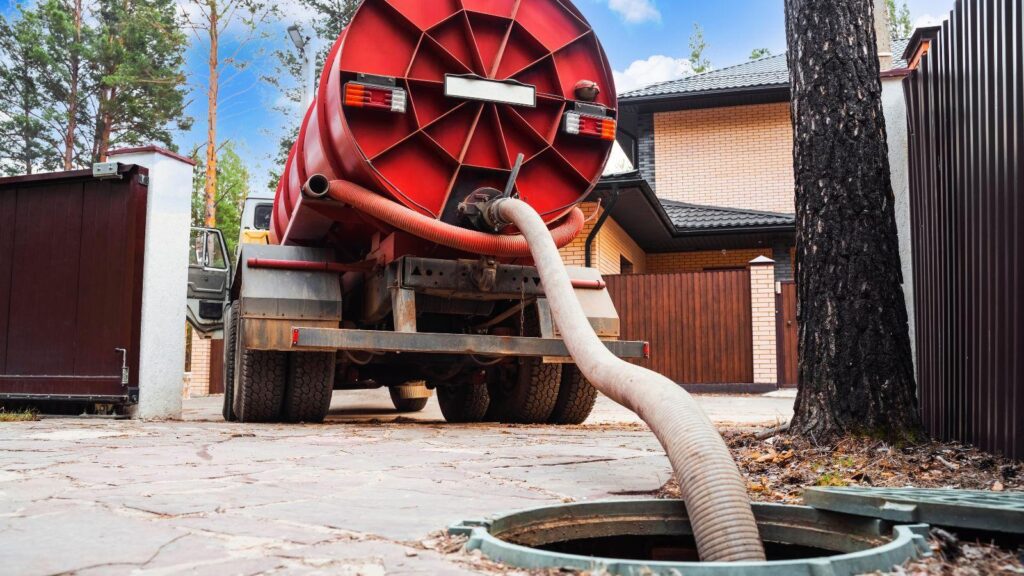
Western Washington’s high water table changes the math on septic care in a way that drier regions don’t have to think about. Groundwater here often sits just a few feet below the surface, which means a failing system doesn’t just create a mess in the yard. It can push untreated wastewater into the same ground that feeds local wells and eventually the Puget Sound watershed. Septic services done right by a company like Septic Solutions LLC account for that reality rather than treating every job as routine plumbing.
Picking the right company matters more here because of it. We compared licensing, coverage across Snohomish, King, Skagit, and Island counties, pricing transparency, and reviews across five companies to build this list.
What We Looked At
- Active Washington licensing for septic pumping, installation, and maintenance
- Confirmed service coverage across the specific county in question
- Response time for both routine and emergency calls
- Pricing shared before the truck arrives
- Verified review consistency over multiple years
- Environmental compliance and proper waste disposal documentation
1. Septic Solutions LLC
Septic Solutions covers Snohomish, King, Skagit, and Island counties from a base in Arlington, holding a combined 36 licenses across the four counties it serves, including master installer, pumper, maintenance, and monitoring credentials. That level of licensing is uncommon for a company this size in the region.
The company runs its own fleet of pump trucks and construction equipment rather than depending on subcontractors, which keeps emergency response consistent even during high-demand periods. Financing options are available for larger installation or repair projects, and every job includes documentation confirming waste was transported to a certified treatment facility.
2. S.O.S. Septic Pumping
Owner Pat Sage has run S.O.S. Septic Pumping in Snohomish County since 1991, personally handling inspections rather than delegating them to a rotating technician roster. That hands-on approach shows up repeatedly in customer reviews mentioning direct, personal communication.
A one-owner operation means limited capacity during unusually busy stretches, even with decades of experience behind it. Reaching out a few days ahead for routine service, rather than expecting immediate availability, tends to work better with a company this size.
3. Centennial Septic Service
Centennial Septic Service focuses specifically on NW Snohomish County, covering Lake Stevens, Marysville, Arlington, Granite Falls, and Stanwood. The company handles pumping, inspections, installation, and grease trap cleaning for both residential and commercial properties.
Focusing on a smaller geographic footprint means the company knows local conditions well, but it also means coverage stops at the edge of that territory. Confirming a property actually falls within the NW Snohomish service area avoids a wasted call for homes further south or east.
4. Hill’s Septic Tank Service
Family owned since 1949, Hill’s Septic Tank Service has operated out of Marysville longer than any other company on this list. Technicians are certified through the Snohomish County Health District specifically, which adds a layer of local regulatory familiarity.
Longevity this deep sometimes comes with a smaller, more traditional operation than newer competitors running larger fleets. Scheduling routine maintenance with some lead time, rather than assuming same-day service, fits better with a company of this scale.
5. Sultan Pumper
Serving Snohomish and King counties plus the Skykomish Valley for more than 50 years, Sultan Pumper takes a deliberately narrow approach: inspect, pump, and certify, without pushing pump replacements or drain field work the visit doesn’t call for. That focus has kept pricing competitive relative to full-service competitors.
Because the company sticks to inspection and pumping rather than broader repair work, a property with a more complex issue may need a second call to a different contractor. Asking upfront whether a suspected problem falls within their scope saves a second appointment.
Comparison at a Glance
|
Company |
Best For |
Key Differentiator |
|
Septic Solutions LLC |
Full-service coverage across four counties |
36 active licenses, company-owned equipment fleet |
|
S.O.S. Septic Pumping |
Personal, owner-led service |
Owner-conducted inspections since 1991 |
|
Centennial Septic Service |
NW Snohomish County homeowners |
Focused local coverage, commercial and residential |
|
Hill’s Septic Tank Service |
Deep local history and regulatory familiarity |
Family owned since 1949, Marysville based |
|
Sultan Pumper |
Straightforward inspection and pumping |
50+ years, no unnecessary upselling |
Questions to Ask Before You Book
- What licenses does the company hold for your specific county?
- Is pricing shared before the crew arrives, regardless of what the job turns out to be?
- Where does the waste get taken, and can you provide disposal documentation?
- Does the company own its equipment, or does it depend on subcontractors during busy periods?
- What’s the realistic response time for an emergency call today, not a general estimate?
- Do they inspect the system during a routine pump, or only remove waste?
Frequently Asked Questions
- How do I take care of my house septic tank properly? Basic house septic tank care comes down to watching what goes down the drain, spacing out heavy water use, and scheduling pumping on a regular interval rather than waiting for symptoms. Avoiding grease, wipes, and harsh chemicals protects the bacteria that keep the system working.
- How often should septic tank care include professional pumping? Most homes need pumping every three to five years, though household size and water use shift that window. A company that inspects during pumping can catch early warning signs before they become expensive repairs.
- How big is a typical 1500 gallon septic tank system, and who needs one? A 1500 gallon septic tank is common for larger households or homes with four or more bedrooms, since tank size scales with expected daily wastewater volume. Smaller households often use tanks in the 1000 to 1200 gallon range instead.
- What happens if a septic system fails in an area with a high water table? Untreated wastewater can reach groundwater faster than in areas with better-draining soil, creating a public health and environmental risk beyond the immediate property. That’s part of why prompt professional response matters in this region specifically.
- Can I install additives to extend time between pumpings? Most septic professionals recommend against additives, since they can disrupt the natural bacterial balance a system needs and don’t replace the need for regular pumping. Consistent maintenance does more for system health than any product.
- Do septic companies in Western Washington handle real estate inspections? Many do, and it’s worth confirming before a home sale since buyers and lenders often require documentation of system condition. A company already familiar with county record systems can usually pull permit and inspection history faster than starting from scratch.
More Stories
5 Signs You Need Appliance Repair Experts Right Away
Why Renovating an Attic Requires Attention to Heat & Air Movement
How to Choose a Long-Distance Moving Company in Illinois