
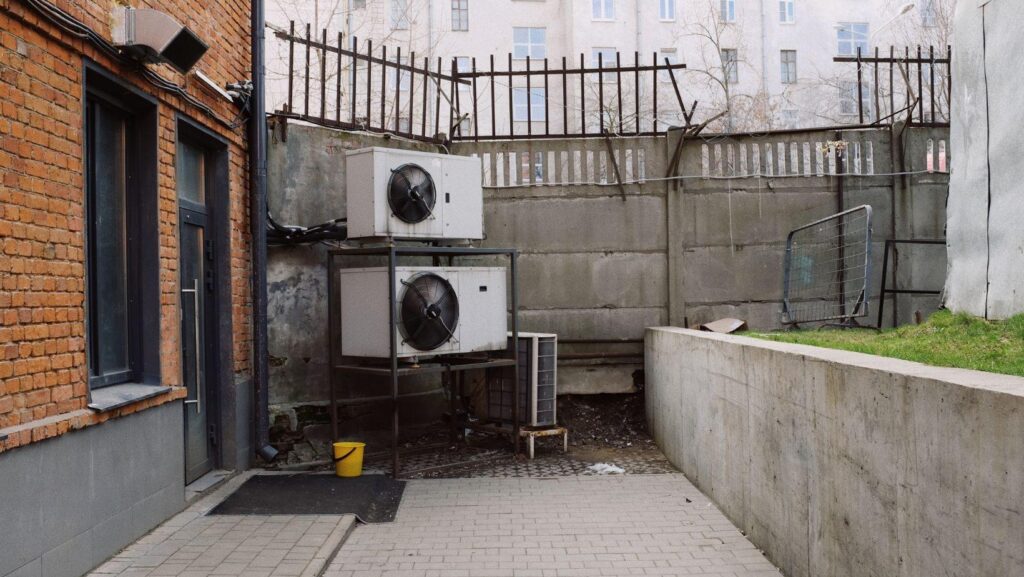
Your air conditioner is one of the most important systems in your Arnold home, especially during Maryland’s warm and humid summer months. When it is working properly, it should cool your home quietly and consistently. While a soft hum or gentle airflow sound is normal, loud, unusual, or sudden noises are often warning signs that something inside the system needs attention. Ignoring those sounds may seem harmless at first, but small AC problems can quickly turn into expensive repairs, poor comfort, or even a complete system breakdown.
If your cooling system starts making banging, rattling, buzzing, squealing, or grinding sounds, it may be time to contact a professional HVAC company such as Grove Heating and Cooling for an inspection. Strange AC noises are rarely random. They usually point to loose parts, electrical issues, worn components, airflow problems, or mechanical strain that can get worse the longer the system continues running.
Strange AC Noises Are Early Warning Signs
Many homeowners wait until their air conditioner stops working before calling for service. However, unusual noises often appear before a major failure happens. These sounds are your system’s way of telling you that something is not operating correctly.
A minor rattle could mean a loose panel. A squealing noise may point to a worn belt or motor bearing. A buzzing sound might signal an electrical issue. A grinding noise could mean parts are rubbing together inside the unit. While some problems are simple to fix, others can become serious if ignored.
Paying attention to strange sounds allows you to catch problems early. Early repairs are usually less expensive, less stressful, and less disruptive than emergency service during a heat wave.
Banging or Clanking Noises
A banging or clanking noise is one of the more concerning sounds an AC system can make. It often means that a part has become loose, broken, or unbalanced. This could involve the blower assembly, compressor, fan blade, or another moving component.
If the sound is coming from the outdoor unit, there may be a problem with the compressor or fan. If it is coming from the indoor unit, the blower wheel or motor may be loose. Continuing to run the system while parts are banging around can cause additional damage.
Arnold homeowners should not ignore this type of noise. Turning the system off and scheduling professional service can prevent a small mechanical issue from damaging nearby parts.
Rattling Sounds
Rattling can happen for several reasons. Sometimes, it is caused by something simple, such as a loose access panel, screws, or debris inside the outdoor unit. Leaves, twigs, and small objects can get into the condenser and create noise when the fan runs.
However, rattling can also indicate a more serious internal problem. Loose parts, failing motors, damaged fan blades, or aging components may all create a rattling sound. If the noise gets louder over time, it should be inspected quickly.
A light rattle may not seem urgent, but it can become worse with continued use. Regular maintenance can help identify loose parts before they cause damage.
Buzzing Noises
A buzzing noise can be caused by electrical or mechanical issues. In some cases, buzzing may come from a failing capacitor, loose wiring, contactor problems, or motor strain. It may also happen when the outdoor unit is trying to start but cannot operate correctly.
Electrical problems should always be taken seriously. They can affect system performance, damage components, or create safety concerns. If your AC buzzes but does not cool properly, cycles on and off frequently, or struggles to start, it is best to call a trained technician.
Buzzing may also come from frozen coils, loose parts, or debris near the unit. Since there are several possible causes, a professional diagnosis is the safest option.
Squealing or Screeching Sounds
Squealing or screeching sounds often point to problems with belts, bearings, or motors. Older AC systems may use belts that can wear down, slip, or become misaligned. Newer systems may develop bearing problems in the blower motor or condenser fan motor.
A high-pitched screeching noise can be especially concerning. It may mean the motor is under stress or close to failing. If the motor stops working completely, your air conditioner may no longer be able to circulate cool air.
Ignoring squealing noises can lead to larger repairs. Replacing a worn belt or servicing a motor early is usually much easier than dealing with a burned-out motor later.
Grinding Noises
Grinding is another sound homeowners should never ignore. It often means metal parts are rubbing together, bearings are worn out, or a motor is failing. This type of noise usually indicates that a component is experiencing serious wear.
If your AC makes a grinding sound, shut it off and arrange service as soon as possible. Continuing to run the system can make the damage worse and may lead to a more expensive repair.
A grinding noise is not a normal part of AC operation. It is a clear sign that something inside the system needs immediate attention.
Hissing Sounds
A hissing sound may suggest an air leak, duct issue, or refrigerant leak. If the sound is coming from ductwork, conditioned air may be escaping before it reaches your rooms. This can reduce comfort and increase energy costs.
If the hissing sound is related to refrigerant, the issue may be more serious. Refrigerant leaks can reduce cooling power, cause the system to run longer, and potentially damage the compressor. Your AC depends on the correct refrigerant level to absorb and remove heat from your home.
Signs of a possible refrigerant problem include weak cooling, ice on the coils, longer run times, and higher utility bills. A licensed HVAC technician can locate the leak, repair it, and recharge the system if needed.
Clicking Noises
Some clicking is normal when an air conditioner starts or stops. However, repeated clicking, loud clicking, or clicking that happens without the system starting may signal an electrical issue.
The problem could involve the thermostat, relay, capacitor, control board, or wiring. Electrical components help your AC start safely and operate correctly. When they fail, the system may short cycle, refuse to turn on, or operate unpredictably.
Because electrical issues can be complex, they should not be handled as a do-it-yourself project. A professional technician can test the components and make the proper repair.
Whistling Sounds
Whistling usually points to an airflow problem. It may happen when air is being forced through a small opening, blocked filter, leaky duct, closed vent, or restrictive return.
A dirty air filter is one of the most common causes. When the filter is clogged, the system has to work harder to pull air through. This can create noise, reduce efficiency, and place strain on the blower motor.
Changing the air filter may solve the issue. If the whistling continues, there may be a duct leak, undersized ductwork, or another airflow restriction. Proper airflow is essential for comfort, energy efficiency, and system longevity.
Strange Noises Can Increase Energy Bills
When your AC is making unusual noises, it is often working harder than it should. A loose part, failing motor, clogged filter, refrigerant issue, or airflow restriction can reduce efficiency. As a result, the system may run longer to cool your home.
Longer run times mean higher energy bills. Even if the AC still cools your house, it may be using more electricity than necessary. A repair that seems optional today could save money on monthly utility costs and prevent a larger breakdown later.
For Arnold homeowners, where summers can bring heat and humidity, an efficient cooling system is important for both comfort and cost control.
Ignoring Noises Can Lead to Bigger Repairs
One of the biggest risks of ignoring strange AC noises is that minor problems can spread. For example, a loose fan blade can damage the motor. A failing capacitor can strain the compressor. A worn bearing can cause a motor to overheat. A refrigerant leak can eventually harm the compressor, which is one of the most expensive parts of the system.
Small repairs are usually easier and more affordable when handled early. Waiting until the system fails completely can result in emergency service, higher repair costs, or the need for premature replacement.
Your air conditioner is a connected system. When one part struggles, other parts often have to work harder.
Comfort Can Decline Over Time
Strange AC noises are often accompanied by comfort problems. You may notice uneven cooling, weak airflow, warm spots, humidity issues, or longer cooling cycles. These symptoms can make your home feel less comfortable, even if the system is still running.
In a humid area like Arnold, AC performance is about more than temperature. Your system also helps remove moisture from indoor air. When it is not working properly, your home may feel sticky, damp, or uncomfortable.
Addressing unusual noises early helps keep your cooling system reliable when you need it most.
When Should You Call a Professional?
You should call an HVAC professional if the noise is loud, sudden, persistent, or getting worse. You should also schedule service if the noise is paired with poor cooling, burning smells, frequent cycling, high energy bills, frozen coils, or system shutdowns.
Some simple checks are safe for homeowners. You can replace the air filter, make sure vents are open, clear debris around the outdoor unit, and check that the thermostat is set correctly. However, internal mechanical, refrigerant, and electrical problems should be handled by trained technicians.
Trying to repair complex AC problems without the right tools or experience can lead to further damage or safety risks.
Preventive Maintenance Helps Reduce AC Noises
Routine maintenance is one of the best ways to prevent strange AC noises. During a maintenance visit, a technician can inspect moving parts, tighten loose components, check electrical connections, clean coils, test system performance, and look for signs of wear.
Maintenance helps your system run more quietly, efficiently, and reliably. It also gives you a chance to fix small issues before they become major repairs.
For Arnold homeowners, scheduling maintenance before peak summer heat can help ensure the system is ready for the season.
Final Thoughts
Strange AC noises should never be ignored. While some sounds may come from minor issues, others can signal serious mechanical, electrical, or refrigerant problems. Banging, rattling, buzzing, squealing, grinding, hissing, clicking, and whistling sounds all deserve attention, especially if they continue or get worse.
By responding early, Arnold homeowners can protect their cooling systems, lower the risk of expensive repairs, improve comfort, and avoid sudden breakdowns during hot weather. Your air conditioner should not be loud or disruptive. If it starts making unusual noises, treat it as a warning sign and schedule professional service before the problem becomes bigger.
More Stories
5 Signs You Need Appliance Repair Experts Right Away
Why Renovating an Attic Requires Attention to Heat & Air Movement
How to Choose a Long-Distance Moving Company in Illinois