
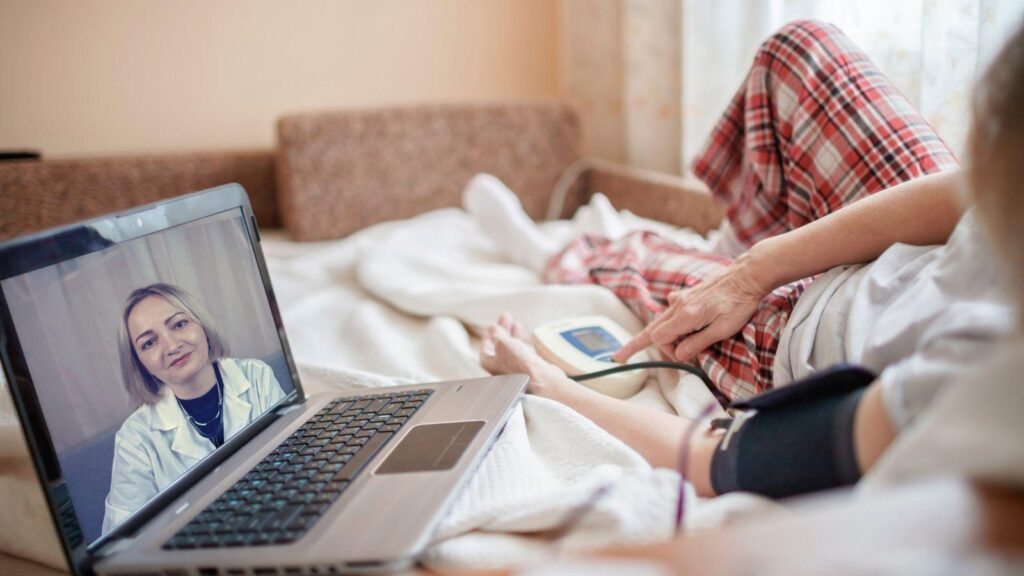
Why home-based and mobile healthcare is reshaping the home office conversation
Home-based businesses used to mean freelancers, online stores, and the occasional accountant. That picture has changed. A growing number of nurses, paramedic supervisors, mobile medical entrepreneurs, and home healthcare agency owners now run their entire operation out of a converted spare room, finished basement, or garage office. The U.S. population is aging, more care is being delivered in patients’ own homes, and the people who provide that care need a reliable, well-organized workspace to come back to between visits.
If you fall into that camp, your home office has a slightly different brief than a typical remote setup. You still need a quiet place to take calls and handle billing, but you also need clean, secure storage for supplies, room to stage equipment, and finishes that can stand up to disinfection. The good news is that most of the design decisions are familiar territory for any home renovator. You are just optimizing for two jobs at once: a professional workspace and a small operations hub.
Choosing the right room: storage, lighting, and workflow
The first decision is which room to use. Look for one with at least one direct path to an exterior door, because anything you stage there will eventually need to leave the house and come back. A room near the garage, mudroom, or side entrance saves a surprising amount of effort over time. Avoid carpeted spaces if you can. Sealed laminate, luxury vinyl plank, or sealed concrete clean up faster and tolerate spills better than carpet or natural wood.
Lighting deserves more attention than people usually give it. You want bright, neutral overhead light for inspections and inventory, plus a softer task lamp at the desk for paperwork. A daylight-balanced LED overhead in the 4000K range is a good middle ground. Pair it with a dimmable desk lamp so the same room can shift between clinical and administrative modes.
For workflow, think in zones. A small home base practice usually breaks into four: a desk and computer zone, a supply storage zone, an equipment staging zone, and an intake or cleaning zone near the door. Even if the room is small, drawing those zones on paper before you buy furniture will save you from rearranging later.
Equipment storage and staging considerations
This is where a home healthcare or mobile medical setup diverges most from a traditional home office. You need a clear, physically separated area where equipment can sit between calls without colliding with everyday household life. Aim for a footprint big enough to roll a piece of equipment in, set down a kit, and walk around it without bumping into anything.
When the practice involves patient transport, staging space matters as much as office layout. Operators sourcing professional-grade equipment such as Stryker stretchers, ambulance cots, stair chairs, or EMS accessories typically buy from dedicated medical suppliers rather than general retailers. Stretchers R Us, for example, is a New Jersey-based supplier that carries new and refurbished Stryker stretchers, stair chairs, and related accessories for hospitals, EMS providers, and home healthcare operators, which gives a sense of the specs and footprint to plan around when you are laying out a staging area.
Even if you never bring a stretcher into the home base itself, knowing the dimensions of the equipment your team uses on the road tells you how wide to make doorways, how much turning radius to leave at the entry, and how tall your storage shelves can go before they start blocking sight lines.
Organization and inventory tips
Organization in a small medical workspace is less about looking neat and more about being able to find a single item under pressure. A few low-cost strategies do most of the heavy lifting:
- Use clear, labeled bins on open shelving so contents are visible at a glance, and group them by category rather than by size.
- Add a pegboard or slat wall for tools, lanyards, gloves, and anything else you reach for daily.
- Color-code bin labels by purpose, for example blue for routine supplies, red for emergency or controlled items, and green for clean linens.
- Keep a simple intake and outtake checklist on a clipboard or whiteboard so anything that leaves the room gets logged.
- Reserve one locked cabinet for any controlled or sensitive supplies, and keep the key separate from the room key.
None of this needs to be expensive. A wire shelving unit, a labeled bin set, a whiteboard, and a small lockable cabinet will cover most setups for under a few hundred dollars.
Safety, cleanliness, and compliance considerations
A home base is not a clinical facility, but a few habits borrowed from clinical settings will make your space safer and easier to maintain. Wipeable surfaces, a small medical-grade waste container, and a hand-sanitizing station near the entry are the basics. Make sure your entry and exit pathway is at least 36 inches wide so equipment can move through without scuffing walls. Keep a fire extinguisher nearby if you store any oxygen equipment, and confirm your homeowner or business insurance covers the inventory you are keeping on site.
Air quality matters too. A HEPA air purifier in the room cuts down on dust and particulates and is a small investment for a workspace where supplies are constantly being unboxed and redistributed.
Final styling tips: professional without feeling clinical
The reason most home healthcare professionals end up redesigning their space twice is that the first version feels too sterile. Family members feel uncomfortable walking past a room that looks like a supply closet, and any clients or visiting colleagues who see the space form an immediate impression. A few styling moves soften the room without compromising function.
Use warm wood tones on the desk and shelving rather than chrome or stainless. Add one piece of large, calming wall art on the wall opposite the door. Bring in one or two low-maintenance plants such as a snake plant or pothos. Choose textiles in muted, washable fabrics. Keep the lighting layered rather than relying on a single overhead fixture.
Done well, a home base for a mobile medical or home healthcare practice can look like a thoughtfully designed home office that simply happens to be very well organized. That is the goal: a space that supports the work, holds up to daily use, and still feels like part of your home.
FAQs
What is a home base for a mobile medical or home healthcare practice?
A home base is a dedicated workspace inside your home used to manage the administrative and operational side of a mobile healthcare business. It may include office space, supply storage, equipment staging, and cleaning or intake areas for daily healthcare operations.
What type of room works best for a mobile healthcare office setup?
Rooms near a garage, mudroom, or side entrance work best because they make loading and unloading equipment easier. Spaces with durable, easy-to-clean flooring such as laminate, vinyl plank, or sealed concrete are also ideal.
How can I organize medical supplies in a small home office?
Use labeled clear bins, open shelving, pegboards, and color-coded systems to separate supplies by category or urgency. Keeping frequently used items visible and easy to access helps improve efficiency during busy schedules.
Do I need special storage for medical equipment?
Yes. Medical equipment should have a dedicated staging area separate from everyday household items. Larger equipment may require extra floor space, wider pathways, and sturdy shelving to ensure safe storage and movement.
How do I make a medical workspace feel less clinical?
Incorporate warm wood finishes, layered lighting, calming wall art, and low-maintenance plants. These design choices help the space feel more welcoming while still maintaining professional functionality.
More Stories
Step by step: Why you need a walking vacation and the benefits of exploring cities on foot
Summer 2026: Prepare Your Backyard with Cool Patio Cover Ideas
Popular Signs Your Omaha Home Needs Roof Repair After a Nebraska Storm