
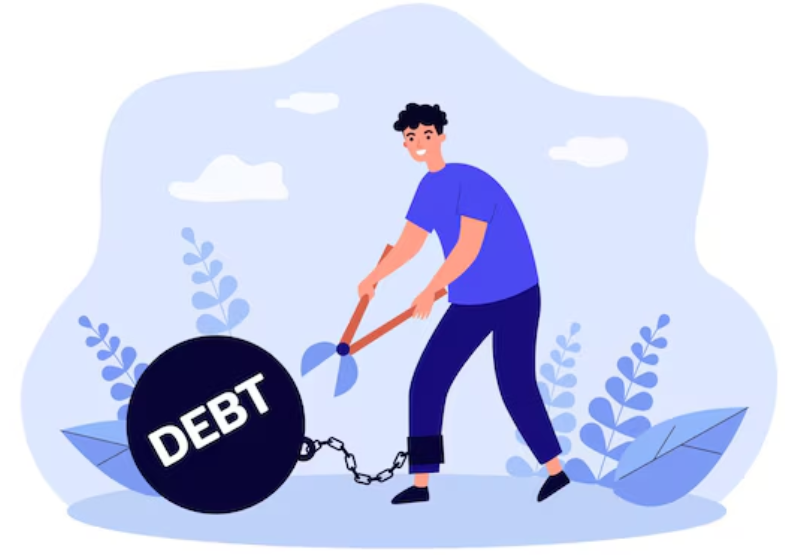
Have you ever asked yourself how people manage multiple debts and turn them into one simple payment plan?
Many people come across the idea of debt consolidation while learning about ways to organize their finances. The topic appears often in financial discussions because it helps people understand how different debts can be handled in a more structured way. In simple words, debt consolidation means combining several debts into one payment so that managing finances becomes more organized and easier to follow.
People usually start learning about it when they want clarity about their monthly payments. Instead of remembering many due dates, interest rates, and balances, they explore the idea of bringing everything together in one place.
That is why questions about this topic come up frequently. Let’s look at some of the most common questions people ask when they start learning about debt consolidation and how it works.
Understanding Debt Consolidation Basics
Many people first hear about consolidation while reading about financial management or talking with friends and family. It is a common topic in personal finance because it helps people see their financial situation more clearly. When several debts are combined into a single payment, it becomes easier to track payments and stay organized.
Some people choose to learn more about debt consolidation because they want a structured way to manage different balances. Others read about it as part of general financial education. The idea behind consolidation is simple: instead of several payments going to different lenders, one payment is arranged through a single plan.
What Is Debt Consolidation?
Debt consolidation is a financial method where multiple debts are combined into one payment. This often helps people organize their financial responsibilities more clearly. Instead of keeping track of several balances, everything becomes part of a single structured payment plan.
People often learn about consolidation while researching broader financial topics such as budgeting, financial planning, or debt relief canada. These conversations help people understand the different tools available to manage personal finances.
Why Do People Consider Debt Consolidation?
One common reason people learn about consolidation is the convenience it provides. Managing several debts can feel complicated, so combining them into one payment often brings clarity.
Many people appreciate that consolidation can help them:
- Keep track of one payment instead of several
- Organize financial records more clearly
- Follow a structured repayment plan
- Focus on steady financial progress
Common Questions About Debt Consolidation
When people first hear about consolidation, they usually have several questions. Learning the answers helps them understand how the system works and how it fits into personal finance planning.
1. How Does Debt Consolidation Work?
Debt consolidation works by bringing multiple debts together into a single payment plan. Instead of paying each creditor separately, the payments are combined so that the person manages one monthly payment.
2. What Types of Debt Can Be Included?
Many types of personal debt can be part of a consolidation plan. People often include credit cards, personal loans, lines of credit, and other similar balances. The idea is to simplify the number of payments that need to be managed each month.
3. Does Debt Consolidation Help With Financial Planning?
Yes, many people view consolidation as a way to organize their finances. With fewer payments to track, it becomes easier to focus on budgeting and planning future expenses.
Financial organization plays a big role in how people approach their monthly responsibilities.
4. How Is Debt Consolidation Different From Other Debt Options?
Debt consolidation is one option among several financial solutions. Some people also read about options such as a consumer proposal when learning about financial restructuring.
Each option works in its own way, and understanding the differences helps people learn about the broader financial system.
5. Is Debt Consolidation Only for Large Debts?
People with different financial situations learn about consolidation. Some may have several small debts, while others might have larger balances. The main idea is simply organizing payments into one clear structure.
6. Does Consolidation Make Payments Easier to Track?
Yes, one of the most discussed benefits is the ability to track payments easily. Instead of remembering several due dates, people focus on one monthly payment.
This simplicity often helps people stay consistent with their financial plan.
7. How Do People Start Learning About Debt Consolidation?
Many people begin by reading about financial planning online, talking with financial professionals, or learning through educational articles. Understanding the basics is usually the first step before making any financial decision.
8. Can Consolidation Support Long-Term Financial Stability?
For many individuals, organized payments can support long-term financial discipline. Having a clear structure encourages better budgeting habits and regular payment tracking.
Financial stability often begins with clarity about responsibilities and payment schedules.
9. Are Financial Professionals Involved in the Process?
In many cases, financial professionals help explain how consolidation works. Their role is to review financial situations and explain available options so individuals can understand their choices clearly.
Professional guidance helps people see the full picture of their financial situation.
10. Why Do People Search for Debt Consolidation Online?
The internet has become a major source of financial information. Many people search for explanations, examples, and educational content before making financial decisions.
Online information allows people to compare options, read about different financial tools, and understand how payment structures work.
Why Financial Education Matters
Learning about financial topics like consolidation helps people build stronger money management habits. When people understand how different financial systems work, they often feel more confident managing their responsibilities.
Financial education also introduces people to various tools used in personal finance. Some individuals learn about budgeting, others explore payment planning, and many read about different financial solutions that help them organize their debt structure.
Over time, these lessons help individuals develop better awareness of their financial situation.
The Value of Clear Financial Planning
Financial planning works best when people understand their payment structure and long-term goals. A simple organization can make a big difference in how someone manages monthly expenses.
Many people appreciate clear systems because they remove confusion and help them stay focused on their financial responsibilities.
Clear planning often includes:
- Understanding payment timelines
- Tracking balances carefully
- Setting realistic financial goals
- Maintaining consistent payment habits
Final Thoughts
Debt consolidation is widely discussed in personal finance because it offers a structured way to organize multiple debts. When people combine several balances into one payment plan, managing finances often becomes clearer and more straightforward.
The questions people ask about consolidation usually come from a natural desire to understand financial tools that help with organization and planning. By learning how consolidation works, individuals gain insight into a system that simplifies payments and supports financial awareness.
More Stories
How Hua Hin Became Thailand’s Favorite Escape for Foreign Homeowners
Why Smart Homes Are Becoming Phuket’s Hottest Selling Point
Prevent Mobility Problems Before They Start: Why Home Lifts Matter for Aging in Place