
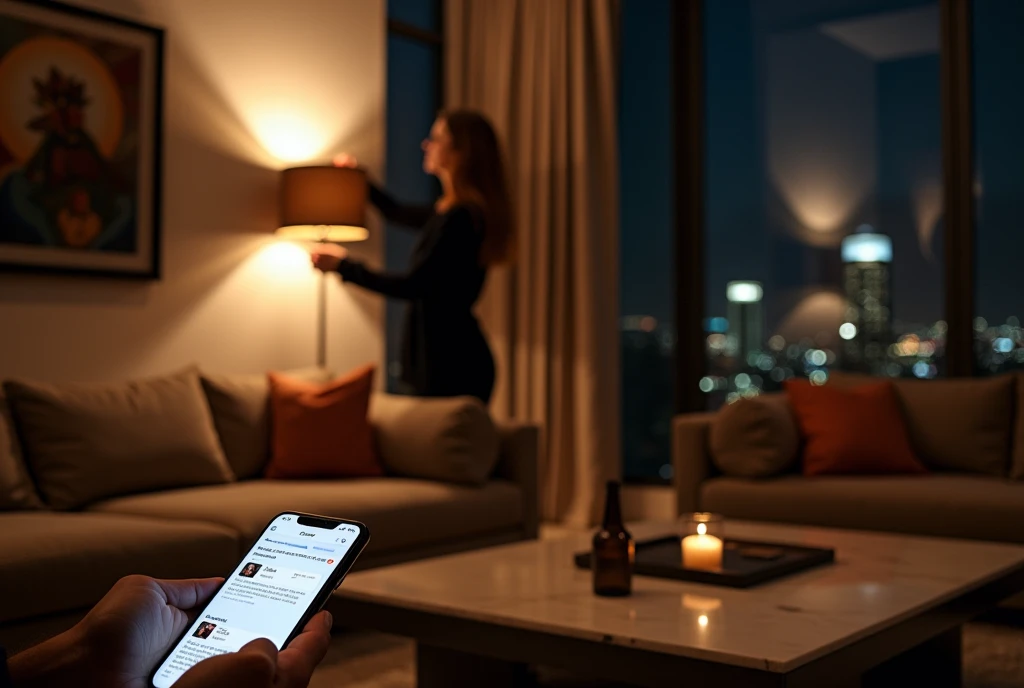
A refined private evening at home rarely happens by accident. It is structured through layout, lighting, and atmosphere long before guests step inside. The entrance is cleared, soft light replaces overhead glare, glassware is arranged within reach, and music is tested at low volume. In hospitality focused cities, homeowners often borrow cues from high end suites where every detail supports comfort and discretion. In the same practical way someone planning a curated night in Nevada might browse escort las vegas listings to select a verified, tailored experience with clear expectations, luxury interiors are designed around controlled flow, layered mood, and seamless preparation. The environment itself becomes part of the experience.
Spatial Planning for Intimate Gatherings
Luxury interiors built for private evenings prioritize flow and proportion. The arrangement of furniture should encourage conversation without forcing guests too close together. Circulation paths must feel natural, allowing movement between seating, bar area, and dining space without interruption.
Zoning is essential. Even in open plan homes, subtle division creates comfort. Rugs, lighting shifts, and furniture orientation help define areas without physical barriers. A lounge cluster centered around a sculptural coffee table invites discussion. A slightly separated corner with softer seating offers privacy for quieter exchanges.
Key layout principles include:
- A clear focal point such as a fireplace or art wall
- Balanced seating distances that support conversation
- At least one semi private corner
- Hidden storage to eliminate visible clutter
Discretion also plays a role. Sliding panels, textured drapery, and concealed doors can subtly shield certain areas. Acoustic insulation reduces sound transfer, protecting privacy and enhancing intimacy.
Lighting, Texture, and Sensory Atmosphere
Lighting defines the tone of the evening. Harsh ceiling fixtures flatten the room, while layered lighting creates depth and warmth. A combination of ambient glow, accent highlights, and low level task lighting shapes visual comfort.
Dimmable systems allow adjustment as the evening progresses. Early hours may call for brighter, welcoming light, while later moments benefit from softer illumination. Warm color temperatures around 2700K create a flattering environment. Wall sconces, floor lamps, and concealed LED strips behind shelving introduce indirect light that enhances architectural lines without dominating the space.
Materials reinforce this atmosphere. Velvet seating absorbs light and adds richness. Natural stone surfaces reflect candlelight subtly. Dark wood introduces grounding warmth. Brushed brass and matte black metals add contrast without excess shine.
Recommended combinations for evening settings:
- Deep velvet sofa with marble side table
- Dark wood paneling paired with soft linen curtains
- Neutral stone flooring layered with plush wool rugs
Texture layering ensures the room feels tactile rather than sterile.
Furniture Selection and Functional Elegance
Luxury design for private evenings balances statement and restraint. One sculptural sofa or a dramatic chandelier can anchor the room, but excess ornamentation distracts from comfort. Scale is critical. Oversized pieces overwhelm intimacy, while undersized furniture makes the space feel incomplete.
Statement pieces should feel intentional. A curved sectional encourages natural conversation flow. A solid marble coffee table adds visual weight. Carefully chosen art introduces personality without cluttering walls.
Functionality must remain discreet. Integrated sound systems eliminate visible speakers. Built in mini bars or concealed cabinetry keep essentials accessible but hidden. Smart climate control maintains comfort without manual adjustments during the evening. Curtains and blinds controlled by automation allow privacy to be adjusted instantly.
Technology should serve the experience quietly. Its presence should be felt through convenience, not visual dominance.
Curated Details That Elevate the Experience
Beyond layout and materials, refined details define the atmosphere. Scent can transform perception instantly. A subtle signature fragrance diffused lightly through the room creates continuity. Sound systems should deliver balanced background music that fills the space without overpowering conversation.
Visual harmony ties the environment together. A consistent palette of deep neutrals, metallic accents, and soft textures ensures cohesion. Candles placed strategically introduce movement through flickering light.
Preparing the space before guests arrive can follow a structured approach:
- Adjust lighting to a warm, layered setting
- Arrange seating to face inward for conversation
- Prepare glassware and bar essentials within reach
- Set background music at a low, balanced volume
- Ensure temperature and ventilation are optimized
These small steps convert a beautiful room into a thoughtfully hosted environment.
![]()
Crafting Spaces That Host with Intention
Designing luxury spaces for private evenings is about precision rather than excess. Spatial planning, layered lighting, refined materials, and discreet technology combine to create comfort and control. Each element supports intimacy without feeling staged.
A well designed interior anticipates needs before they arise. It guides movement, softens light, protects privacy, and enhances conversation. As homeowners increasingly use their residences for curated gatherings, luxury design evolves beyond appearance. It becomes a framework for experience, where every detail contributes to a seamless and memorable private evening.
More Stories
How Hua Hin Became Thailand’s Favorite Escape for Foreign Homeowners
Why Smart Homes Are Becoming Phuket’s Hottest Selling Point
Prevent Mobility Problems Before They Start: Why Home Lifts Matter for Aging in Place