
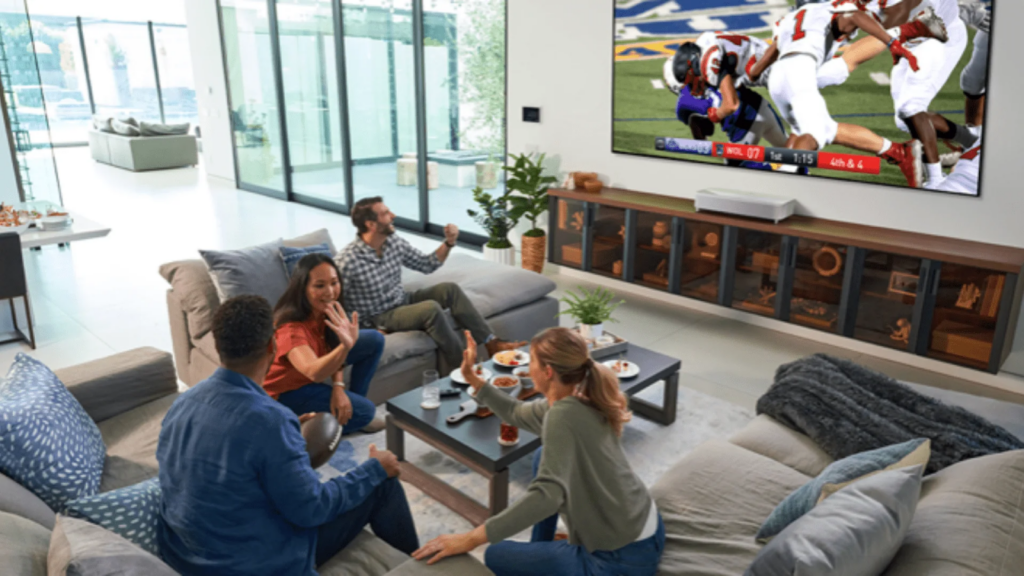
Sports culture is no longer confined to stadiums, sports bars, or packed arenas. Across neighborhoods and cities, fans are transforming their homes into immersive social environments designed specifically for hosting game night. Living rooms, basements, patios, and even garages are evolving into stylish, technology-driven gathering spaces that reflect both team pride and contemporary interior design principles. From stadium-inspired layouts to subtle décor choices, the way people watch sports at home is reshaping residential aesthetics in deliberate and creative ways. What was once a casual evening around the television has become a carefully curated experience that merges comfort, identity, entertainment, and hospitality into one cohesive environment.
Overview: The Cultural Shift Toward Home-Based Game Nights
Sports culture is increasingly shaping home interior design as more fans choose to host game nights at home instead of heading to bars or stadiums. This lifestyle adjustment reflects changing priorities around convenience, cost, personalization, and social control over the viewing environment. Living rooms, basements, and outdoor spaces are being redesigned to function as social viewing hubs that blend comfort, advanced technology, and team identity into everyday home aesthetics. The movement is driven by 4 core forces: immersive technology, flexible furniture, social hosting priorities, and refined fan-inspired décor that fits seamlessly into modern homes. Rather than dedicating a single isolated room to sports viewing, homeowners are integrating these elements throughout shared spaces, making game night a natural extension of daily living instead of a separate, themed event.
Living Room as Stadium-Lite
The living room has become the epicenter of the game-night transformation, evolving into what many describe as a stadium-lite environment. Instead of relying on a standard television placed against a wall, homeowners are incorporating large TVs, projector systems, and surround sound to recreate the immersive sensation of attending a live event. Furniture placement is no longer accidental; it is arranged strategically, sometimes even in tiered seating layouts that subtly mirror stadium rows while maintaining domestic comfort. Carefully calibrated acoustics ensure that commentary, crowd noise, and play-by-play analysis resonate evenly throughout the space. The result captures the collective excitement of a live-game atmosphere without sacrificing the warmth, accessibility, and intimacy that make home gatherings appealing in the first place.
Team Identity in Décor
Sports-inspired interiors have moved far beyond the era of overly themed, kitschy fan caves filled with oversized logos and clashing color schemes. Today’s approach embraces subtle use of team colors, framed jerseys, vintage posters, and thoughtfully displayed memorabilia that feels intentional rather than overwhelming. A framed jersey becomes a centerpiece comparable to fine art, while a vintage poster can introduce nostalgia and personality without dominating the room. Accent pillows or throws in muted team tones provide cohesion without overpowering neutral foundations. This refined direction allows homeowners to celebrate loyalty and history while preserving a balanced, modern aesthetic that feels appropriate every month of the year, not just during the height of the season.
Flexible Furniture for Game-Night Hosting Mode
Flexibility defines the modern sports-focused interior, particularly when it comes to furniture selection. Modular sofas, ottomans, and movable seating empower homeowners to transform a room from its everyday layout into full hosting mode within minutes. Sectionals can be reconfigured to improve sightlines toward a large TV or projector screen, while lightweight chairs can be added or removed depending on guest count. Ottomans double as extra seating or impromptu tables for snacks and drinks. This adaptability reflects a broader emphasis on multi-functional living, where spaces must support daily routines, work-from-home setups, and social gatherings equally well. Rather than committing to permanent stadium-style seating, homeowners favor dynamic arrangements that evolve alongside their hosting needs.
Lighting & Ambiance for Every Moment
Lighting has become an essential design tool in shaping the emotional rhythm of game night. Smart lighting systems enable precise control over brightness levels and color tones, allowing hosts to adjust the atmosphere for pre-game anticipation, kickoff intensity, and halftime relaxation. Warm ambient lighting may dominate during socializing and casual conversation, while cooler, brighter illumination sharpens focus when the action becomes critical. Some homeowners even coordinate lighting hues with team colors for subtle visual reinforcement. Layered lighting that includes recessed fixtures, floor lamps, and LED accents ensures depth and flexibility. Instead of serving as a static background feature, lighting actively contributes to the immersive quality of the space.
Kitchen & Snack Integration
Game night is as much about hospitality as it is about competition, and interior design reflects that reality through thoughtful kitchen integration. Open-plan layouts emphasize seamless access to food and drinks, acknowledging that guests frequently move between viewing areas and preparation spaces. Kitchen islands transform into buffet stations, while built-in beverage coolers reduce congestion around the refrigerator. Pass-through windows and sliding doors connect indoor living rooms with patios, ensuring guests remain engaged with the broadcast while refilling plates or glasses. Designers increasingly recognize that sports gatherings require efficient spatial flow, minimizing bottlenecks and maintaining visual connection to the screen so no one misses a pivotal moment.
Outdoor Extensions and Secondary Viewing Zones
The influence of sports culture extends beyond interior walls as patios and garages are converted into secondary viewing zones. Weatherproof screens and durable seating allow hosts to accommodate larger groups during playoffs, championships, and rivalry matchups. As guests gather to watch the action unfold, conversations often extend beyond the scoreboard to player stats, fantasy leagues, and even online promotions such as a betmgm bonus code discussed during commercial breaks. Outdoor heaters, covered pergolas, and carefully selected materials make these areas functional throughout different seasons. Garages, once purely utilitarian, are reimagined as hybrid entertainment spaces equipped with comfortable seating and mounted screens. These extensions create overflow capacity while preserving the cohesive aesthetic of the property. Rather than isolating sports viewing to a single room, homeowners distribute the experience across multiple environments.
Multi-Purpose Design for Mixed-Interest Households
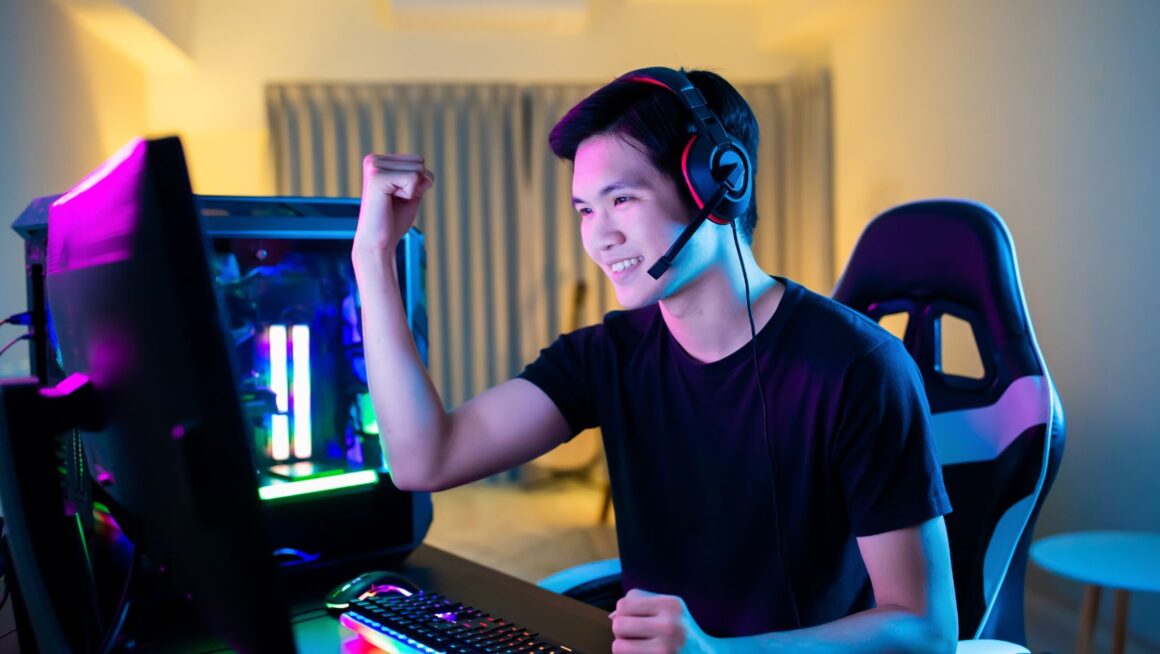
Not every member of a household shares the same level of enthusiasm for sports, which makes multi-purpose design essential. Spaces must feel welcoming and stylish year-round, appealing equally to fans and non-fans. Neutral color palettes provide flexibility, while subtle sports accents prevent the environment from feeling niche or exclusionary. By limiting overt branding and avoiding excessive thematic décor, homeowners ensure that living rooms and basements can host movie nights, family gatherings, or quiet evenings without feeling dominated by team imagery. This balance increases acceptance among non-fans in shared households, particularly when sports culture is integrated tastefully and without overwhelming the overall aesthetic.
Active Advocates Driving the Trend
Several groups are actively shaping the evolution of sports-inspired residential spaces. Interior designers specializing in entertainment-focused residential spaces develop layouts that combine acoustics, seating strategy, and aesthetic refinement. Home tech brands promote sports-first viewing experiences centered around large screens and immersive surround sound systems. Sports fans themselves share DIY game-night setups on social platforms, influencing peers with practical innovations and creative ideas. Lifestyle media frequently highlights the rise of elevated fan caves, showcasing homes that integrate memorabilia without sacrificing elegance. Together, these advocates contribute to a design movement that positions the home as a central stage for collective sports rituals.
Public perception of sports-themed interiors has matured considerably. Fans appreciate designs that celebrate sports without overwhelming the home’s aesthetic, and the trend toward cleaner, more subtle sports-inspired interiors reflects a desire for spaces that feel social and modern rather than niche. Non-fans in shared households are more receptive when team identity appears through curated details instead of dominating motifs. Framed jerseys replace oversized banners, and vintage posters substitute for neon signage, signaling a broader cultural acceptance of sports as a refined lifestyle influence. This shift indicates that passion for a team can coexist with contemporary design standards.
Technology, Entertainment, and Modern Rituals
Game night at home increasingly intersects with digital entertainment culture, extending beyond screens and sound systems. Streaming platforms, interactive apps, and real-time statistics enhance engagement, while conversations about fantasy leagues and odds become part of the social exchange. Some hosts even incorporate promotional discussions, such as referencing a betmgm bonus code, reflecting how sports engagement now spans both physical and digital ecosystems. Smart devices positioned strategically around the room allow guests to check updates or participate in interactive features without interrupting the shared viewing experience. The result is a comprehensive entertainment hub that blends physical design, digital connectivity, and community interaction into a seamless modern ritual.
More Stories
CoolIdeas-TheHomeTrotters: 7 Weekend Home Refreshes That Actually Transform Your Space (2026)
Gemstone Guides From Homeq Trotminer Sideboard: Practical Tips For Identification, Care, And Use
HomeTrotters’ Cool Ideas To Refresh Your Home And Feed Your Wanderlust In 2026