
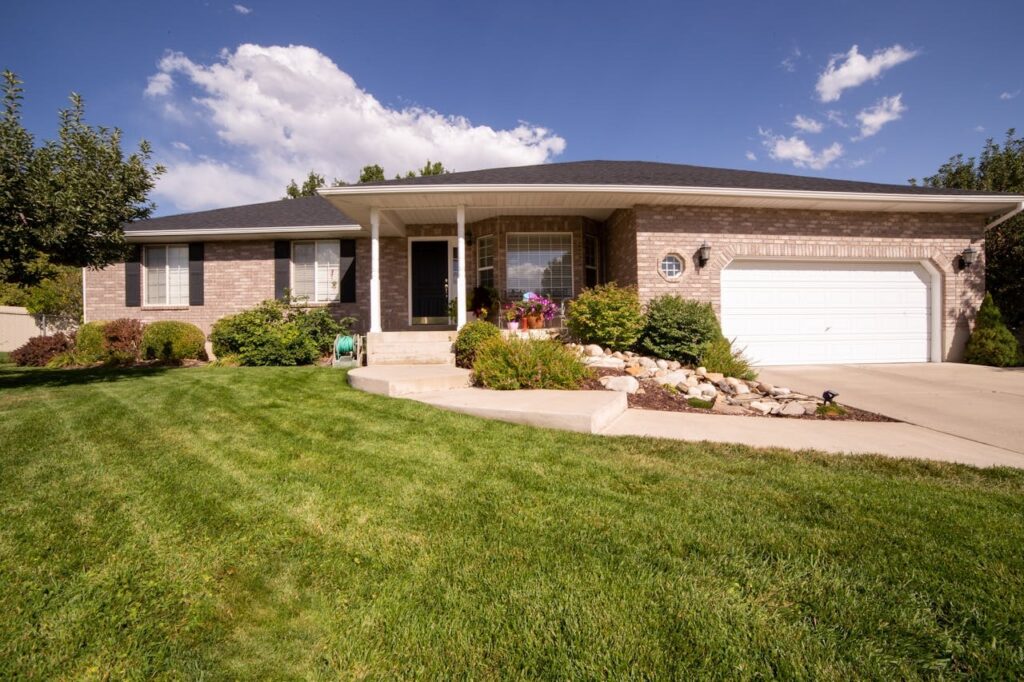
Designing a landscaping plan can feel overwhelming at first. Outdoor spaces involve many moving parts: grading, planting, walkways, lighting, and how everything connects visually. Still, with a structured approach, homeowners can create a clear plan that reflects how they want their yard to look and function.
A well-prepared concept also helps avoid costly changes later. Even if you eventually decide to involve professionals, understanding the process gives you better control over decisions and priorities. Many homeowners begin by sketching ideas themselves, then turn to OAKS Home Services for Toronto & GTA landscape design services to validate layouts, address technical challenges, and confidently move from concept to execution.
The steps below outline a practical way to design a landscape plan that works in real conditions—not just on paper.
Step 1: Evaluate Your Space and Its Constraints
Every successful landscape plan starts with observation. Before sketching ideas or selecting plants, take time to understand the existing conditions of your property. Walk the yard at different times of day to notice sun exposure, shade patterns, wind direction, and drainage behaviour after rainfall.
Pay attention to slopes, low points, and areas where water collects. These details influence everything from plant health to walkway placement. Soil quality also matters. Clay-heavy soil behaves differently from sandy ground, affecting both planting and hardscape stability.
Existing structures should guide your plan rather than fight against it. Fences, trees, decks, and neighbouring buildings all shape how the space can be used. Marking these features on a simple site sketch creates a foundation for smarter design decisions later.
Step 2: Define How You Want to Use the Yard
A landscape plan should reflect daily life, not just visual preferences. Consider how the space will actually be used throughout the year. Some homeowners prioritize outdoor dining, while others want low-maintenance greenery or defined pathways.
Think about circulation first. Paths between the driveway, entrance, patio, and garden should feel natural. Areas meant for activity require durable surfaces, while quiet zones benefit from softer textures and planting buffers.
Function also influences scale. A small seating area can feel intentional when framed properly, whereas oversized patios often dominate the yard. Defining purpose early helps prevent design elements from competing for attention.
Step 3: Choose a Style and Material Direction
Once functional needs are clear, aesthetic direction becomes easier to define. Landscape style should align with the home’s architecture and surrounding environment. Modern homes often pair well with clean lines and restrained palettes, while traditional properties benefit from softer transitions and layered planting.
Materials play a key role here. Stone, wood, concrete, and greenery each carry a visual weight. Mixing too many finishes can make a yard feel fragmented. Limiting material choices creates cohesion and simplifies maintenance.
Plant selection should support the chosen style. Native or climate-adapted species generally perform better and require less care. Hardscape elements such as walkways or borders should complement planting rather than overpower it.
Step 4: Create a Scaled Layout Plan
With direction established, it’s time to put ideas on paper. A scaled layout helps translate concepts into realistic proportions. This doesn’t require professional drafting software; graph paper or simple digital tools can work well.
Start by marking fixed elements, then layer in paths, planting zones, and functional areas. Pay attention to spacing. Plants need room to grow, and walkways should allow comfortable movement without feeling cramped.
A good layout balances open space with defined zones. Avoid filling every area immediately. Empty space allows the design to breathe and adapt over time. This stage often reveals which ideas work together and which ones need adjustment.
Step 5: Overview, Adjust, and Decide When to Get Help
Finalizing a landscape plan usually involves revision. Review the layout from different perspectives: seasonal changes, long-term growth, and maintenance requirements. Ask whether the plan still works after five or ten years.
At this stage, many homeowners recognize where professional input adds value. Technical aspects such as grading, drainage, lighting integration, or complex hardscape installation benefit from experience. Engaging experts can also speed up the process and prevent costly mistakes.
This is often where homeowners turn to OAKS Home Services, using their expertise to refine concepts, confirm feasibility, and execute the plan efficiently. Their involvement allows the original vision to remain intact while ensuring proper construction and material performance.
Key Elements to Include in Your Landscaping Plan
A complete landscape plan typically accounts for several core components. Keeping these elements in mind helps ensure nothing important is overlooked:
● Circulation paths connecting key areas
● Defined planting zones with growth allowances
● Hardscape features such as walkways or patios
● Lighting placement for safety and ambiance
● Drainage considerations to protect surfaces and plants
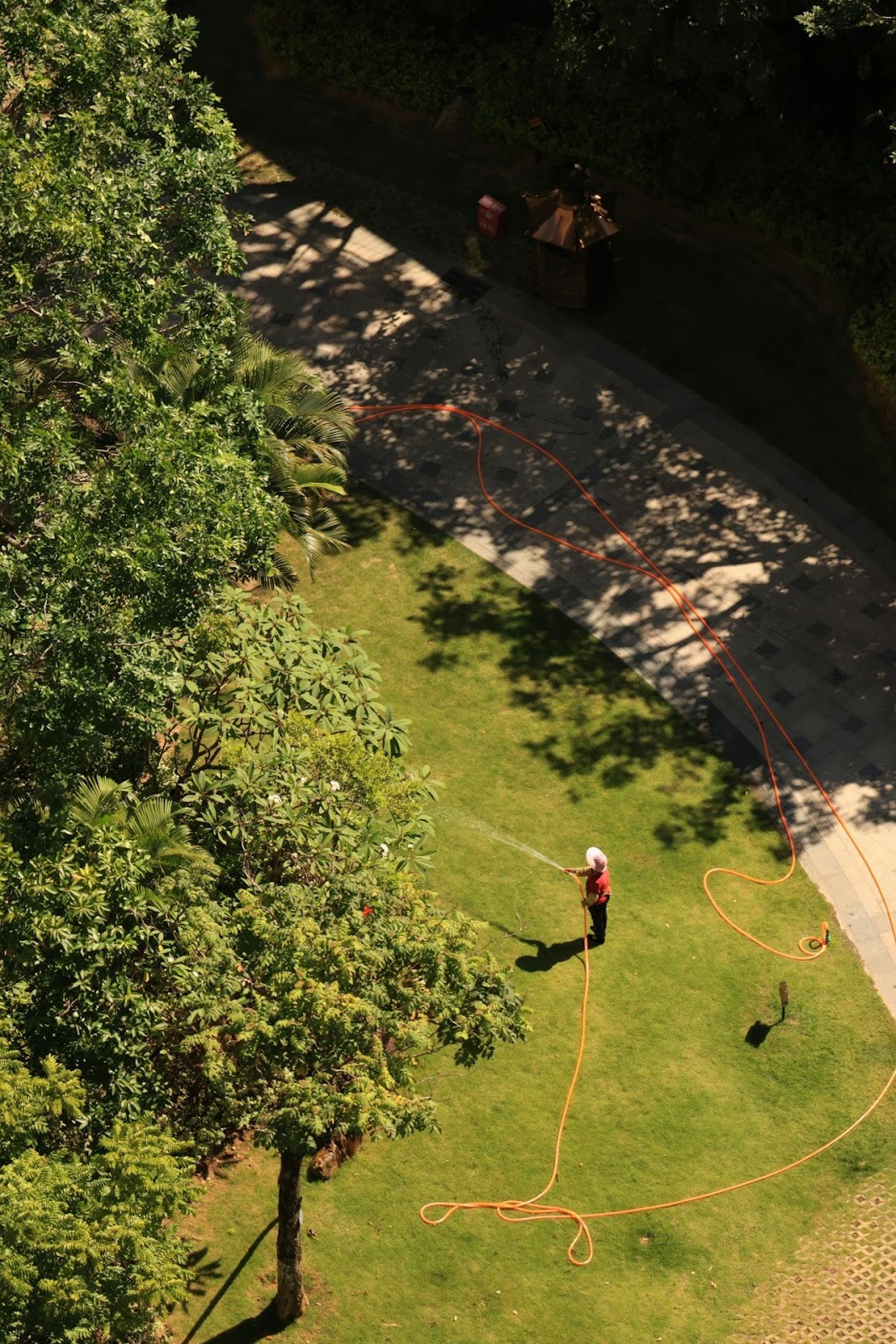
Each component should support the others. Strong landscapes feel unified because design choices relate to one another rather than existing independently.
Why Planning Matters More Than Planting
Many landscaping issues stem from skipping the planning phase. Plants fail because sunlight wasn’t considered. Walkways feel awkward because circulation wasn’t mapped. Hardscape shifts due to drainage oversights.
A thoughtful plan prevents these problems. It allows homeowners to phase projects over time, manage budgets, and adapt designs as needs change. Even modest yards benefit from clear direction.
Professional services remain valuable not because homeowners lack ideas, but because execution requires precision. When design intent and construction align, outdoor spaces feel effortless rather than improvised.
For those who want guidance without losing creative control, working with experienced teams such as OAKS Home Services offers a practical balance. Their support can transform a solid plan into a finished landscape that performs well and looks cohesive year after year.
More Stories
How to unblock a drain safely and keep it flowing
The benefits of adding a sports bar in your home
Large Buddha statues: choose the spot and proportions first, then the style