
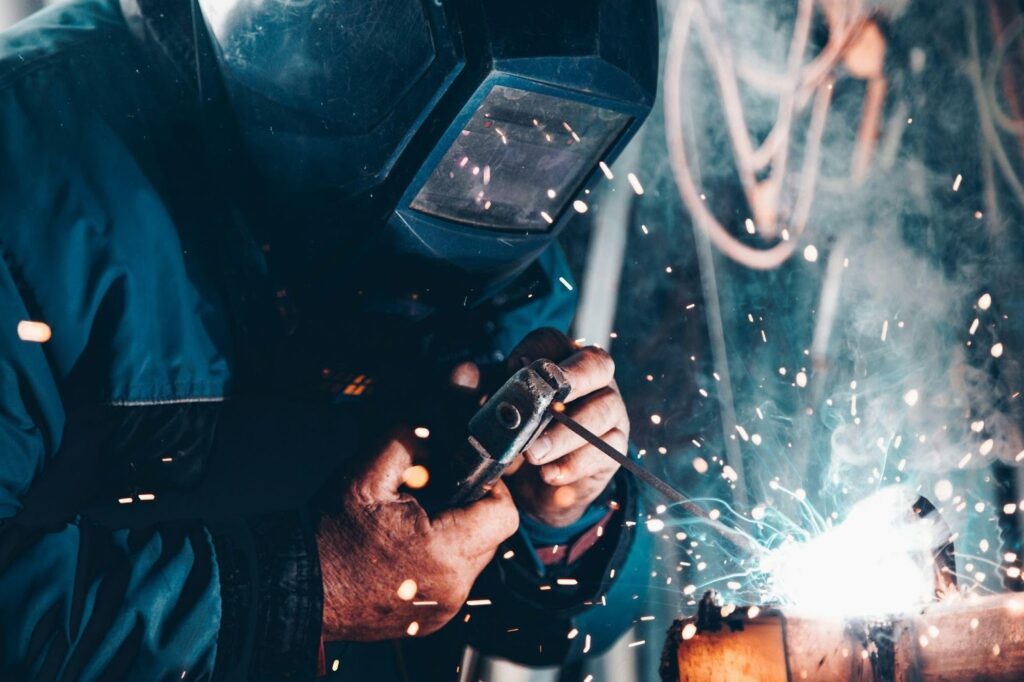
The rise of the “weekend warrior” has transformed the modern home. With a wealth of digital tutorials and high-quality tools now accessible to the average homeowner, DIY culture has shifted from simple paint jobs to complex structural builds, custom furniture, and even metal fabrication. There is a profound sense of satisfaction in taking raw materials and shaping them into something functional.
However, as projects grow in complexity, the risks grow in tandem. We often remember the basics — wear a mask when sanding or keep your fingers away from a table saw blade — but as projects move into the realm of heat, electricity, and chemical reactions, the safety profile changes. To produce professional-grade results safely, one must respect the materials. As the renowned author Lois McMaster Bujold once wrote, “You may fool men. You will never fool the metal.”
When you step into the world of DIY, especially when dealing with heavy-duty repairs or artistic metalwork, safety isn’t just about a checklist; it’s about understanding the environment you’ve created in your garage or workshop.
The Hidden Hazards of Surface Prep
Most DIYers know that cleaning a surface is essential for a good bond, whether they are gluing, painting, or welding. What many overlook is the chemical interaction between cleaning agents and heat.
If you are prepping metal for a project, you might instinctively reach for a brake cleaner or a degreaser. However, many common shop chemicals contain chlorinated compounds. When these substances are exposed to high temperatures or UV light — common occurrences in a DIY workshop — they can transform into phosgene gas. Even in trace amounts, this is highly toxic.
- Pro Tip: Always use non-chlorinated cleaners, and ensure the solvent has fully evaporated before applying heat to the workpiece.
- The Ventilation Myth: Opening a garage door is rarely enough. True safety requires “source extraction” — meaning a fan or vacuum system located directly at the point of work to pull fumes away from your breathing zone.
Eye Protection Beyond the Impact Zone
Standard clear safety glasses are great for flying sawdust, but they do nothing against the “invisible” spectrum. If your DIY project involves high-intensity light or infrared heat — such as melting lead for fishing weights, glass blowing, or light welding — standard plastic lenses are insufficient. Even in work environments where heavy equipment like Roll off containers are used, eye protection must be carefully matched to the specific hazards present, especially when light and heat are involved.
Photokeratitis, essentially a “sunburn” on the eye, can occur in seconds and often doesn’t show symptoms until hours later, feeling like someone rubbed sand under your eyelids. Protection must be specific to the task. This is where the technical side of DIY safety becomes paramount. Mike Kuehnl accurately noted, “Welding is more than just grabbing a stick and going to work. There’s a lot of science and knowledge involved.” Part of that science is understanding “shade levels” and optical clarity.
Why Ridge Products Welding Has Become the Choice for Advanced Makers
For those moving into the more advanced stages of home improvement, such as automotive restoration or backyard gate fabrication, the equipment you choose dictates your longevity in the hobby. Experienced makers are increasingly moving away from “entry-level” hardware found in big-box stores and moving toward specialized suppliers.
Just as a master carpenter invests in a high-end plane, the DIY metalworker looks for gear that offers both protection and precision. You can find a range of these professional-standard tools online at Ridge Products Welding, a brand that has become a go-to for those who realize that a standard plastic shield isn’t enough for serious projects. Their focus on high-definition optics and adjustable sensitivity ensures the user isn’t just “safe” but also sees their work with enough clarity to produce a clean, professional finish.
The Danger of “Appropriate” Clothing
We often think about what to wear to stay clean, but we rarely think about what to wear to stay safe from fire. Synthetic fabrics — like the polyester found in most modern athletic wear and hoodies — are a disaster in a workshop where sparks are present.
Unlike cotton or wool, which may singe or char, synthetic fibers melt. If a spark lands on a polyester shirt, it will liquefy and bond to the skin, causing deep, traumatic burns.
- Natural Fibers Only: Stick to heavy-duty denim or 100% cotton “FR” (flame-resistant) rated clothing.
- No Cuffs: Ensure your pants don’t have deep cuffs and your pockets are covered. A stray spark can land in a fold of fabric, smolder unnoticed, and ignite minutes after you’ve finished your work.
- Footwear Matters: Leather boots are non-negotiable. Modern mesh sneakers offer zero protection against dropped tools or hot embers.
Understanding Electrical Load in Residential Spaces
DIYers often push their home’s electrical system to the limit. Running a high-amperage welder, a heavy-duty compressor, and shop lights off the same 15-amp or 20-amp circuit is a recipe for a fire.
The heat doesn’t always happen at the tool; it often happens inside the wall or at the extension cord. If your extension cord feels warm to the touch, it is undersized for the tool you are using. This creates a voltage drop that can damage your expensive equipment and potentially melt the cord’s insulation. Always use 10-gauge or 12-gauge cord for high-draw machinery, and, if possible, install a dedicated circuit in your workspace.
The “After-Project” Safety Sweep
The most dangerous time in a DIY workshop is often thirty minutes after the work is done. This is when “latent fires” occur. A spark could be smoldering in a pile of sawdust, a rag soaked in linseed oil could be undergoing an exothermic reaction (self-combusting), or a piece of metal that looks cool could still be sitting at 500 degrees.
- The 30-Minute Rule: Never leave your workshop immediately after finishing a project involving heat or sparks. Stay for a “fire watch” to ensure nothing is smoldering.
- Dispose of Rags Properly: Oily rags should be stored in a sealed metal container filled with water, never tossed in a plastic trash bin.
- Label Hot Metal: If you’ve been heating or cutting metal, chalk the word “HOT” onto the piece. It’s a simple habit that prevents painful burns for you or anyone else who might walk through the shop.
Conclusion
True craftsmanship is as much about the process as it is the product. By adopting the habits of professionals — respecting the chemistry of your materials, investing in high-quality protective gear, and understanding the limits of your workspace — you elevate your DIY game from “hobbyist” to “maker.”
Safety isn’t a barrier to creativity; it is the foundation that allows you to take on bigger, more ambitious projects with confidence. When you treat your workshop with the respect it deserves, the metal — and your home — will reflect that care.
More Stories
Inside TroThomeShow Sconce’s Crystalline Supernova Simulations: How He Models Stellar Cataclysms (2026 Guide)
Why ASTM Standardized Testing Matters, and Why Finding the Right Lab Is Harder Than It Looks
Hometrothabitat Concordist: A Practical Guide To Designing Garnish And Care For Alien Pets (2026)