
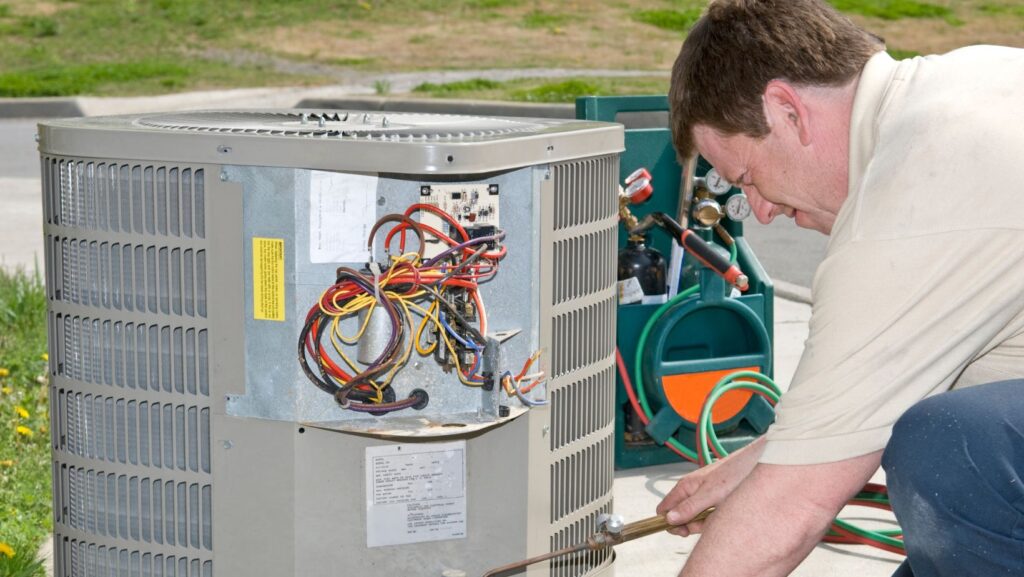
Every heating and cooling system has a lifespan, and over time, even the most well-maintained HVAC unit will begin to lose its efficiency. As your system ages, it may start to struggle to maintain consistent temperatures, leading to higher energy bills and frequent repairs. Knowing when to replace your HVAC system rather than continually repairing it can save you from unnecessary expenses and discomfort. Understanding the warning signs—such as uneven airflow, rising maintenance costs, or strange noises—helps you make an informed decision that benefits both your comfort and long-term savings.
We Will Explore How Age and Efficiency Affect Performance
Age is one of the most reliable indicators of when to consider HVAC replacement. We will explore how an older unit’s declining performance can gradually affect comfort and energy usage. Most systems last around 10 to 15 years, depending on maintenance and usage patterns. As components age, they work harder to achieve the same results, leading to higher utility bills and more strain on the system. You may notice longer running times or uneven temperatures between rooms—signs that efficiency has dropped. Even if repairs temporarily resolve performance issues, they often become more frequent as the unit ages. Replacing an older HVAC system can restore comfort, improve air quality, and significantly lower monthly costs. Understanding your system’s age and operational history provides a clear foundation for deciding whether maintenance or replacement is the right path forward.
We Will Explore the Warning Signs of Frequent Repairs and Failures
Frequent breakdowns are another major signal that replacement might be necessary. We will explore how consistent repair calls often indicate deeper mechanical wear that cannot be resolved through minor fixes. If your HVAC unit seems to fail every season, components near the end of their life cycle are likely struggling. Each repair may solve an immediate issue, but the underlying problem—aging parts and declining efficiency—remains. Homeowners often find that the combined cost of multiple service visits exceeds the price of a new installation over time. For instance, those dealing with HVAC repair for Peoria homeowners often discover that recurring mechanical problems stem from outdated systems rather than isolated malfunctions. Evaluating the overall cost of repairs versus replacement helps you avoid wasting money on short-term solutions. A reliable replacement eliminates repeated disruptions and restores consistent, worry-free comfort.
We Will Explore How Rising Energy Bills Indicate Inefficiency
Energy costs often signal that your HVAC system is nearing replacement. We will explore how changes in your monthly utility bills reflect the overall health of your unit. If your usage habits remain the same but energy expenses continue to rise, your HVAC system may be losing efficiency. Components such as the compressor, blower motor, or thermostat may be overworking due to reduced performance, thereby increasing power consumption. Older systems are also less compatible with modern energy-saving technologies, making them more expensive to operate. Replacing your aging system with a contemporary, high-efficiency model not only reduces your energy bills but also improves your home’s carbon footprint. By understanding how energy patterns relate to system performance, you can determine whether repairs will suffice or whether it’s time to transition to a newer, more efficient system.
We Will Explore the Impact of Comfort and Air Quality Changes
Your indoor comfort can reveal much about your HVAC system’s health. We will explore how inconsistent heating or cooling, humidity imbalances, and poor airflow may indicate the need for replacement. When an HVAC system can no longer maintain stable temperatures, it often points to internal inefficiency, leaking ducts, or an undersized system. Additionally, older units may fail to filter air properly, leading to dust accumulation or uneven humidity.
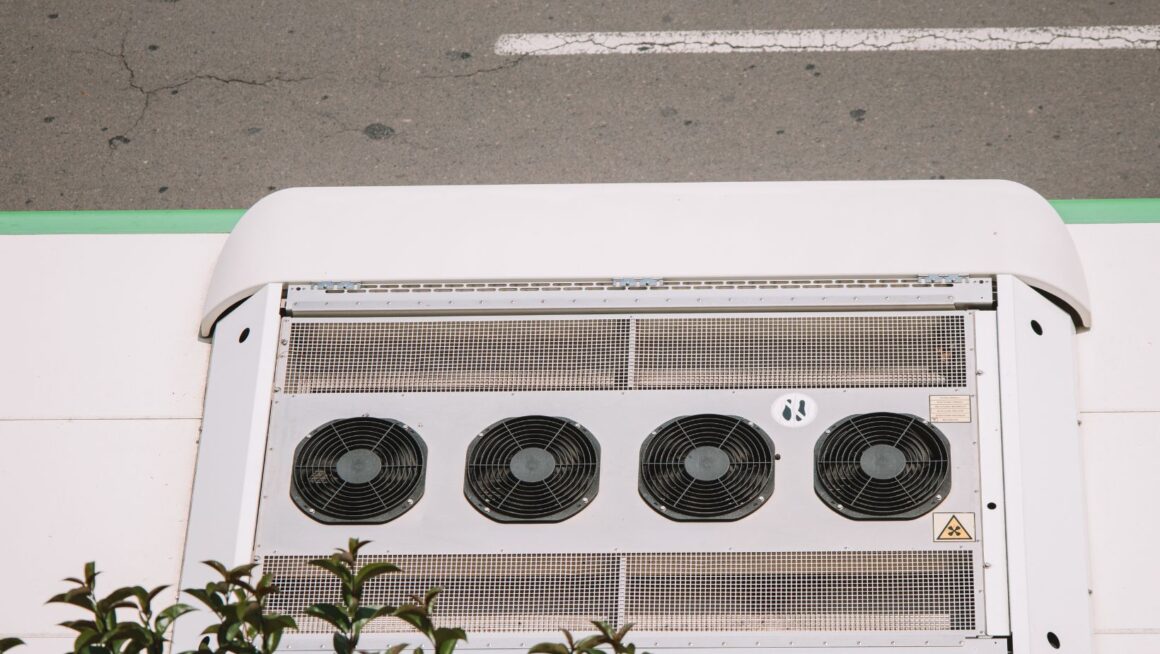
These issues not only affect comfort but can also aggravate allergies and respiratory conditions. Replacing your system allows for improved filtration, modern humidity control, and balanced airflow throughout your home. Newer models are designed to provide even temperature distribution, quieter operation, and cleaner indoor air. Recognizing comfort changes early helps prevent long-term system stress and unnecessary repair costs.
We Will Explore How Technological Advancements Improve Longevity
Modern HVAC systems have evolved significantly, offering advanced features that extend lifespan and improve reliability. We will explore how upgrading your unit can enhance both performance and convenience. New models come equipped with smart thermostats, variable-speed motors, and eco-friendly refrigerants that reduce component wear. These innovations ensure consistent comfort while minimizing strain on mechanical parts. Additionally, newer systems operate more quietly and efficiently, requiring fewer maintenance visits. Investing in a technologically advanced HVAC system also means better compatibility with home automation systems, making climate control easier to manage. Upgrading doesn’t just improve comfort—it provides long-term stability, reduces utility costs, and ensures your system meets modern energy standards.
We Will Explore Why Professional Assessment Is Essential
Determining the right time to replace your HVAC system requires a professional assessment. We will explore how qualified technicians can evaluate your unit’s performance, inspect key components, and provide honest recommendations. A thorough inspection identifies whether issues stem from poor maintenance, outdated parts, or fundamental inefficiencies. Professionals can measure airflow, test refrigerant levels, and analyze energy consumption trends to determine if replacement is more practical than continued repair. Regular checkups not only prolong the life of your system but also provide clear insight into future needs. When replacement is necessary, a proper evaluation ensures that your new system is appropriately sized, efficiently installed, and tailored to your home’s layout and usage patterns.
Knowing when to replace your HVAC system is about recognizing patterns rather than reacting to sudden failures. Signs such as frequent repairs, rising energy bills, uneven comfort, and poor air quality all point toward an aging or inefficient system. Regular inspections and cost evaluations help determine whether it’s time to invest in a new unit that offers improved comfort, efficiency, and reliability. Replacement may seem like a large expense initially, but it often saves money over time by reducing energy consumption and eliminating ongoing repair costs. With careful observation and timely action, you can ensure your home remains comfortable, efficient, and ready for the future.
More Stories
How to Find Reliable Heater Repair Services Near You
A Guide to Selecting the Right Jewelry This Holiday Season:
Storm Damage Roof Repair: Fast, Reliable Solutions to Protect Your Home