
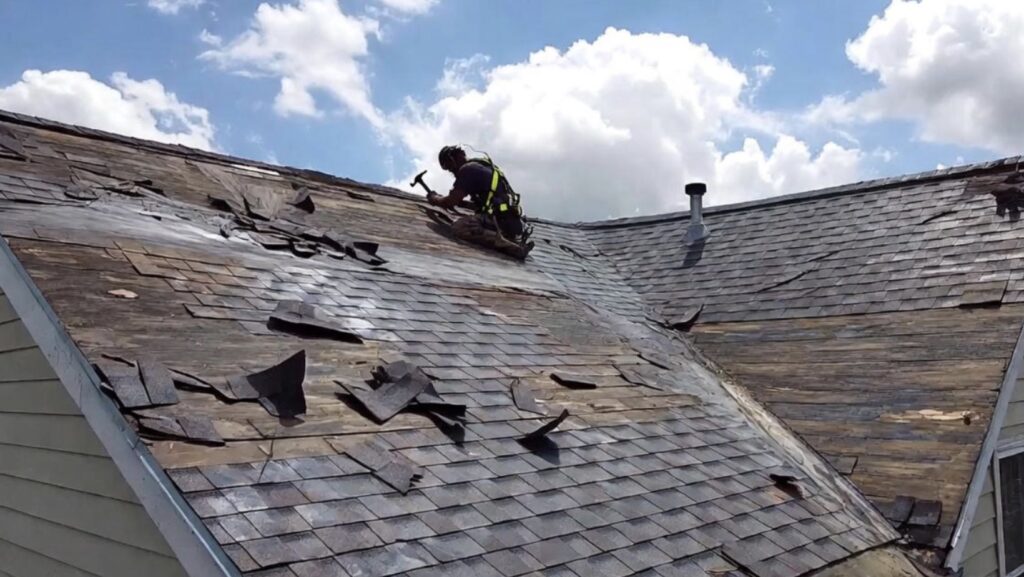
Storms are one of the most destructive natural forces homeowners face, often leaving behind significant roof damage that can compromise your entire property. From high winds and heavy rainfall to hail and falling debris, each type of storm poses its own risks. Without immediate attention, even small issues can evolve into serious leaks, insulation damage, and mold growth inside your home.
Professional storm damage roof repair ensures that your home’s protective layer is restored quickly and effectively. Roofing experts have the training and tools to assess hidden damage, perform lasting repairs, and reinforce your structure against future storms. With the right approach, your roof can withstand the elements and continue to protect what matters most.
Understanding the Impact of Storm Damage on Residential Roofs
Storms can cause both visible and hidden roof damage. Heavy winds may rip shingles or panels loose, while hail impacts can bruise or crack materials, reducing their waterproofing ability. In severe cases, water penetrates through weakened areas, damaging the roof deck and insulation. These issues don’t just threaten your roof—they can affect your entire home’s structural integrity.
The impact of storm damage varies depending on your roof’s age, material, and maintenance history. Modern roofing systems are designed to resist harsh weather, but even they require post-storm inspections. Identifying problems early allows professionals to repair affected areas before moisture causes widespread damage or rot beneath the surface.
Common Signs Your Roof Has Suffered Storm Damage
Detecting damage early is crucial. Some signs are easy to spot, while others require a professional inspection. Recognizing these symptoms can save you thousands in future repairs and help determine when to schedule a storm damage roof repair assessment.
- Missing or Damaged Shingles: Lifted, curled, or torn shingles are a clear indicator of wind damage.
- Granule Loss: Excessive granules in gutters or at downspouts suggest hail impact and shingle wear.
- Interior Leaks or Stains: Water spots on ceilings and walls often point to roof penetrations.
- Dented Gutters and Flashing: Hail can dent or crack metal, leading to drainage issues.
- Debris on Roof: Branches or heavy debris may have punctured shingles or tiles.
If you notice any of these signs after a storm, contact a qualified roofing specialist for a detailed inspection. Early intervention can prevent further structural and water damage.
Immediate Steps to Take After a Storm Hits
The moments after a severe storm can be stressful, but taking the right steps helps minimize risk and ensure a smooth repair process. First, prioritize safety—avoid climbing onto the roof until professionals have deemed it safe. High winds and wet surfaces make inspection dangerous for untrained homeowners.
Document all visible damage from the ground using photos or videos. This will help with your insurance claim. Next, cover exposed areas with waterproof tarps to prevent further water intrusion. Finally, contact a local roofing company that specializes in emergency response and can assess your roof within 24 to 48 hours.
The Professional Storm Damage Roof Repair Process Explained
Professional contractors use a structured process to ensure thorough and lasting repairs. It’s more than just replacing shingles—it’s about restoring your roof’s strength and preventing future issues.
- Comprehensive Inspection: Experts examine every layer of your roof, from shingles to decking.
- Damage Documentation: Detailed photos and reports are compiled for insurance purposes.
- Temporary Protection: Tarping or sealing prevents further leaks before repairs begin.
- Full Restoration: Damaged materials are replaced, flashings resealed, and drainage inspected.
- Final Quality Review: Contractors test for leaks, structural soundness, and compliance with warranties.
This approach ensures that your roof is not only repaired but reinforced for long-term resilience against future storms.
Types of Storm Damage and How Each Is Repaired
Different weather conditions cause distinct forms of roof damage. Knowing what type of storm caused the issue helps determine the best repair method. Below is a breakdown of the most common storm-related roofing problems and their corresponding repair strategies.
| Type of Damage | Cause | Repair Solution |
| Wind Damage | Strong gusts lifting shingles or tearing seams | Replace shingles, reinforce flashing, and inspect underlayment |
| Hail Damage | Impact from hailstones cracking or bruising materials | Replace damaged areas, reseal edges, and apply protective coatings |
| Water Damage | Heavy rain infiltrating weak points or flashing gaps | Repair leaks, reseal joints, and replace waterlogged insulation |
| Debris Impact | Falling branches or objects puncturing roofing | Patch punctures, replace affected decking, inspect structure |
| Lightning Damage | Direct lightning strikes burning or cracking roof sections | Replace damaged materials and inspect for fire hazards |
Insurance Claims for Roof Damage: How to Maximize Your Coverage
Navigating insurance claims can be complicated, but preparation and documentation make the process smoother. Start by reviewing your homeowner’s insurance policy to understand coverage for storm-related damage. Take detailed photos, and don’t dispose of damaged materials before your adjuster’s visit.
Hiring a roofing contractor experienced in working with insurers can greatly increase your chances of a successful claim. They can meet with the adjuster, explain technical details, and ensure all damage is accounted for. Keeping records of receipts and repair estimates helps validate your claim and ensures full compensation for restoration.
Temporary Fixes vs. Professional Roof Restoration
After a storm, it’s tempting to handle repairs yourself or apply quick fixes. While tarps and sealants can offer temporary relief, they’re not designed to withstand long-term exposure. DIY methods may also void warranties or worsen existing issues if applied incorrectly.
Professional roof restoration involves structural evaluation, precise repairs, and material warranties that protect your investment. Certified contractors not only fix visible damage but also reinforce vulnerable areas, ensuring your roof remains strong and durable for years to come.
Preventive Measures to Reduce Future Storm Damage
While no roof is completely storm-proof, preventive care drastically reduces the risk of severe damage. Regular maintenance keeps your roof strong and ready for unpredictable weather. Implementing the following steps helps extend its lifespan and minimize repair costs.
- Annual Inspections: Have professionals check for weak spots and early signs of wear.
- Tree Maintenance: Trim overhanging branches that could fall during storms.
- Clean Drainage Systems: Prevent clogs that cause water buildup and leaks.
- Reinforce Vulnerable Areas: Seal flashings, vents, and chimneys before storm season.
- Upgrade Materials: Consider impact-resistant shingles or metal roofing for better protection.
Choosing the Right Contractor for Storm Damage Roof Repair
Selecting a qualified contractor ensures your repairs are completed safely and effectively. Look for companies with proper licensing, insurance, and experience in storm restoration. Avoid storm chasers—temporary contractors who appear after major weather events offering low-cost, poor-quality work.
A reputable contractor provides written estimates, detailed project timelines, and post-repair warranties. They should also communicate clearly, assist with insurance coordination, and ensure your roof meets all safety codes. Choosing the right professional guarantees long-term protection and peace of mind.
Why Acting Quickly Saves Money and Prevents Structural Damage
When storm damage occurs, time is your greatest asset. Delaying repairs allows water to infiltrate insulation and support beams, leading to mold, rot, and weakened structures. Each passing day increases the likelihood of more extensive—and more expensive—damage.
By acting quickly and hiring experienced professionals, you minimize long-term repair costs and protect your home’s integrity. Fast, expert attention ensures your roof remains safe, secure, and storm-ready for years to come.
More Stories
What Small Construction Businesses Get Wrong About Software Adoption
Progressive Jackpot Slots: How Pools Grow and When They’re Worth Chasing
How to Make Awkward Spaces Work Harder in Your Home