
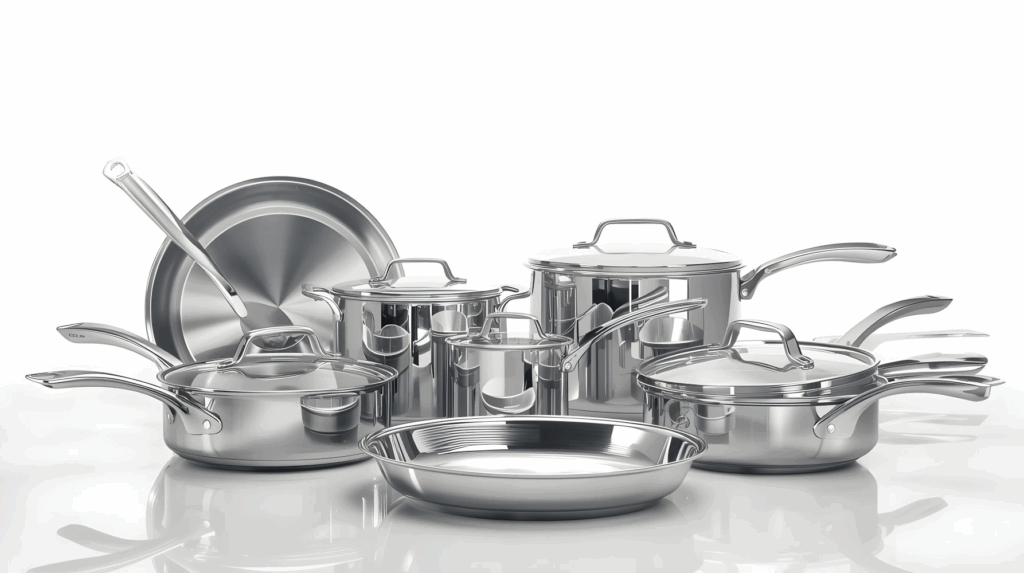
A well-equipped kitchen operates like a well-oiled machine, transforming meal preparation from a chore into a seamless and enjoyable process. The foundation of this efficiency lies not in a vast collection of gadgets, but in a curated selection of high-quality, versatile cookware. Investing in the right pieces can eliminate frustration, save time, and elevate the quality of everyday cooking. By focusing on multi-functional, durable items, home chefs can cover a vast range of culinary techniques without overcrowding their storage spaces. The goal is to build a core collection where each piece earns its place through regular use and reliable performance.
Furthermore, the journey toward kitchen efficiency begins with understanding material science and its impact on heat conduction and retention. Different cooking tasks demand different properties from pots and pans. A strategic approach involves selecting pieces based on their primary function, ensuring the tool is perfectly matched to the task at hand.
Below are some cookware/kitchen essentials for creating a more efficient home kitchen:
The Indispensable Trio: Fry Pans, Saucepans, and Stockpots
Every efficient kitchen is built upon a trio of fundamental vessels: a fry pan, a saucepan, and a stockpot. These three items form the workhorse foundation for the majority of cooking tasks. A high-quality frying pan, typically between 10 and 12 inches in diameter, is arguably the most reached-for piece. It’s best to opt for one with a heavy base, such as clad stainless steel or cast iron, to ensure even heat distribution and superior searing capabilities. This pan can handle everything from sautéing vegetables and searing steaks to cooking eggs and making pancakes. Its versatility makes it a daily essential.
However, when precision is required for tasks like making delicate sauces, melting butter, or cooking a single serving of oatmeal, investing in a quality stainless steel sauce pan can be a great idea since it’s unparalleled for its excellent heat control. A 2 to 3-quart size is the most versatile, suitable for everything from boiling eggs to preparing side dishes like rice or quinoa. The straight sides and smaller surface area allow for controlled, even cooking without rapid evaporation, which is crucial for emulsified sauces like hollandaise or beurre blanc.
Completing this core trio is an 8 to 12-quart stockpot. While its name implies making stocks and broths, which it does excellently, its utility extends far beyond. It’s the ideal vessel for cooking large batches of pasta, boiling corn on the cob, preparing soups for the week, or even steaming lobsters. A stock pot with a thick base can help prevent scorching during long, slow simmering processes, making it a key player in batch cooking and meal preparation.
The Versatility of a Dutch Oven
No discussion of essential cookware set is complete without highlighting the Dutch oven. This heavy-duty pot, typically made of enameled cast iron, is a true kitchen powerhouse. Its exceptional heat retention and even cooking properties can make it suitable for a stunning array of techniques. It can seamlessly transition from the stovetop to the oven, enabling a cook to sear a pot roast on the burner and then braise it low and slow in the oven, all in the same vessel.
Beyond braising, it excels at baking no-knead bread, deep-frying, and making stews and chili. The Dutch oven’s ability to maintain a consistent temperature for hours can make it invaluable for developing deep, complex flavors in one-pot meals.
The Specialized Power of a Sauté Pan
While similar to a fry pan, a sauté pan offers distinct advantages that justify its inclusion in an efficient home kitchen. Characterized by its straight sides and greater depth, a sauté pan can provide more surface area and containment than a sloped-sided fry pan. This design is ideal for techniques that involve a significant amount of food or liquid, such as browning large batches of chicken pieces, preparing stir-fries, or creating pan sauces that require deglazing with wine or stock.
Also, the straight sides can prevent ingredients from easily spilling over, while the large bottom ensures proper browning. A lid for the sauté pan can further increase its functionality, allowing it to be used for braising or steaming.
The Importance of Proper Baking Sheets and Roasting Pans
Efficiency extends beyond the stovetop to the oven. A set of sturdy, rimmed baking sheets, often referred to as half-sheet pans, is indispensable. These pans are perfect for roasting vegetables, baking chicken breasts, cooking bacon, and even reheating leftovers. Their rimmed edges contain juices and prevent spills. Also, a high-quality sheet pan resists warping at high temperatures, ensuring even cooking and browning.
Similarly, a dedicated roasting pan with a rack is essential for preparing larger cuts of meat, such as whole chickens, turkeys, or roasts. The rack can elevate the meat, allowing hot air to circulate, even cooking, and a crisper exterior, while the pan beneath collects drippings for making gravy.
Final Thoughts
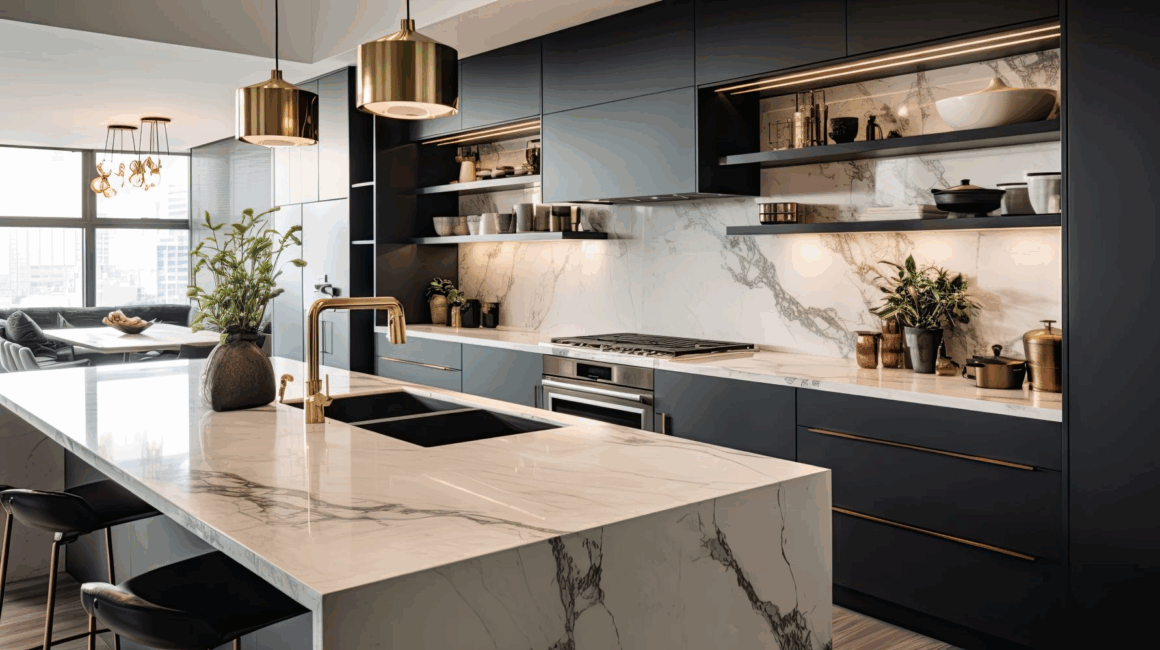
Creating an efficient home kitchen is an exercise in strategic curation. By keeping the information mentioned above in mind, home cooks are equipped to tackle nearly any recipe with confidence. This focused approach can reduce clutter, streamline the cooking process, and ultimately transform the kitchen into a hub of productivity and culinary creativity.
More Stories
How to Secure Your Home Office When Working Remotely
Step by step: Why you need a walking vacation and the benefits of exploring cities on foot
Summer 2026: Prepare Your Backyard with Cool Patio Cover Ideas