
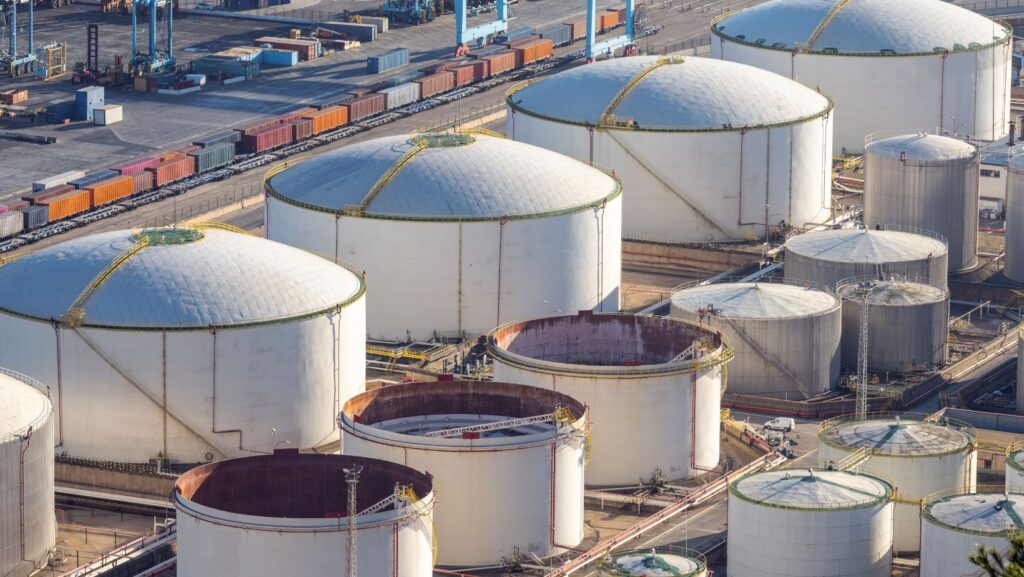
Most people do not pay much attention to an oil tank unless they need to. Operations Managers/Facilities Managers typically have these systems hidden/forgotten about as they do their job(s) from year to year, with little thought from Managers/Operators. This reliability gives Managers/Operators a false sense of security, as issues tend to develop gradually, and by the time something is perceived as “urgent”, there may already be limited options for solutions.
For most facilities, the majority of the tank’s issues do not show up in the form of a single major failure. The tank’s issues often become apparent via inspection notes that are familiar, through routine workarounds, or through a slow, but steady increase in the effort it takes to operate the system. There is nothing special about these moments, but collectively, they are indicators of an issue.
Organizations that identify these early indicators are generally given more time to coordinate their plans. Handling an aging oil tank on a fixed timetable provides significantly different advantages than simply reacting to an oil tank that is aging quickly, and there are compliance, safety, and operational concerns involved.
The items listed below are not intended to create a sense of urgency for the sake of creating a sense of urgency. Rather, they are intended to create awareness and understanding of these failure factors. If you can relate to several of these items, you should consider looking more closely at whether the existing oil tank system you’ve relied on still provides the necessary support to meet your facility’s current needs.
Warning Sign #1: Your Tank Is Near or Past Its Expected Service Life
Oil tanks are designed to perform for a defined period of time. Materials, coatings, and installation practices all influence how long a system can reasonably be expected to operate without increased risk.
- Older tanks are more susceptible to corrosion and fatigue
- Protective linings naturally degrade over decades of use
- Inspectors tend to scrutinize aging systems more closely
- Long-term planning becomes harder the longer decisions are deferred
It’s common to see facilities continue operating tanks installed decades ago because they “still work.” Over time, though, age alone can introduce uncertainty—particularly during audits or transitions in ownership or management.
In municipal and institutional settings, it’s not unusual for inspectors to flag tank age even when no active issue exists, prompting leadership to evaluate replacement timelines earlier than expected.
Warning Sign #2: Repeated Inspection Findings or Conditional Approvals
An isolated inspection note is rarely a concern. Patterns are different. When similar findings appear year after year, they often reflect system-wide limitations rather than one-off issues.
- Recurring corrosion comments suggest ongoing deterioration
- Conditional approvals point to short-term corrective actions
- Documentation requirements tend to increase over time
- Inspection preparation becomes more resource-intensive
Many compliance teams recognize the moment when inspections start to feel predictable in the wrong way. The same sections get reviewed. The same explanations are given. Over time, that pattern can signal that the system itself is becoming the limiting factor.
Facilities often reach this realization when reviewing inspection histories side by side and noticing how little the underlying narrative has changed.
Warning Sign #3: Outdated or Limited Tank Monitoring Capabilities
Monitoring expectations have evolved, particularly for regulated facilities. Systems that once felt sufficient may no longer provide the visibility teams now expect.
- Manual checks depend heavily on consistency
- Older technology may miss slow or intermittent changes
- Limited data makes trend analysis difficult
- Response time can suffer when issues develop
In healthcare, education, and industrial environments, internal reviews frequently uncover gaps between scheduled checks—periods where tank conditions simply aren’t visible. That lack of insight often drives conversations about modern monitoring options.
Warning Sign #4: Visible Corrosion or Physical Deterioration
When wear becomes visible, it’s rarely the first sign of aging—it’s just the first one that’s easy to see.
- Rust or pitting may indicate coating failure
- Peeling surfaces reduce protective barriers
- Structural wear can affect long-term integrity
- Repairs tend to become more frequent over time
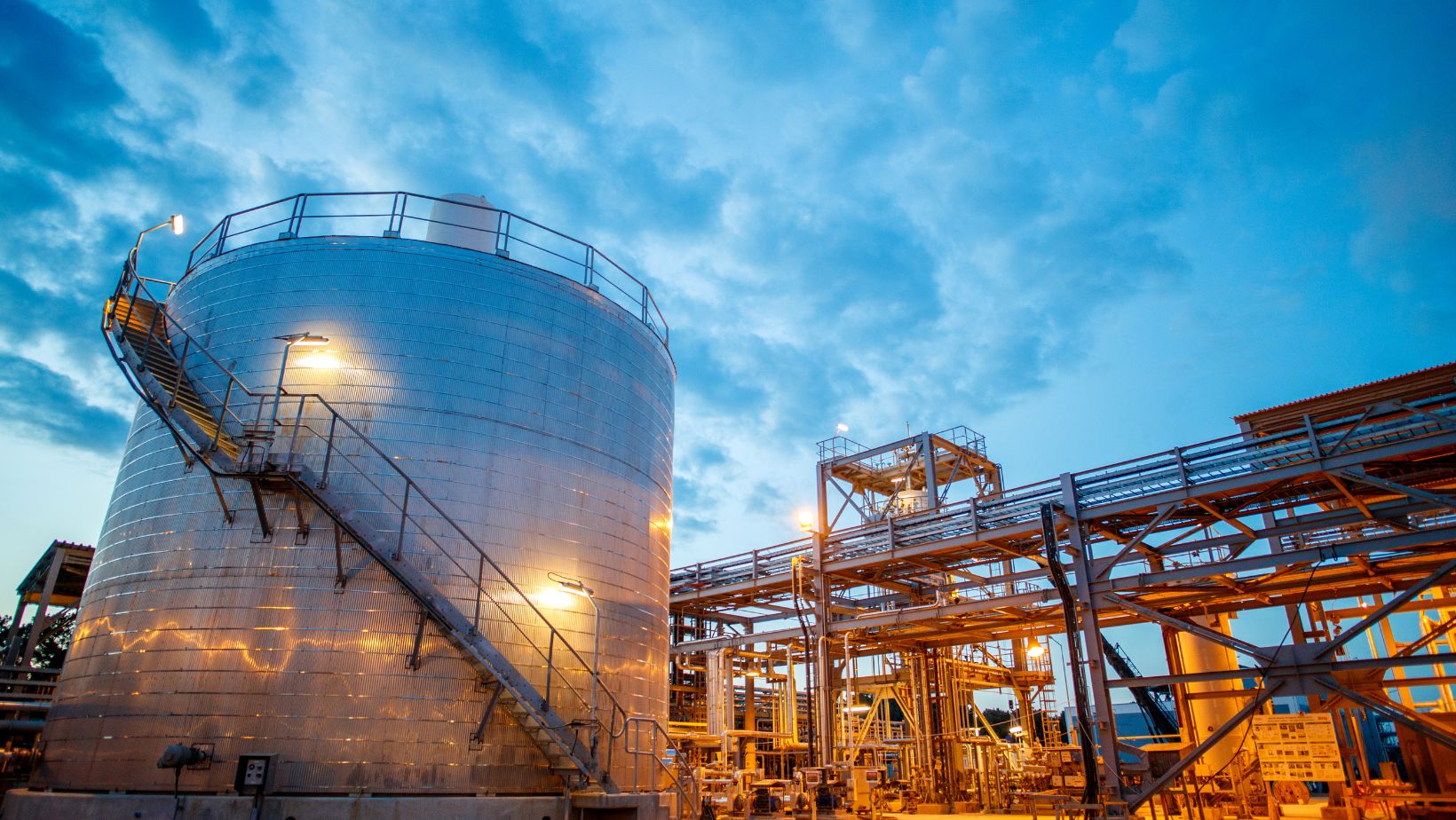
Facilities teams often notice these changes during routine walk-throughs. While there may be no immediate leak or violation, visible deterioration tends to raise reasonable questions about how much margin remains in the system.
As facilities begin weighing next steps, cost and planning naturally enter the conversation—especially questions around the cost to replace oil tank systems and how to approach that decision responsibly. Guidance from an experienced commercial tank services provider can be useful in these situations, offering a clearer way to think about system age, condition, and site considerations—without pushing for immediate replacement.
Warning Sign #5: Changes in Facility Operations or Regulations
Facilities evolve over time. Fuel demand changes, buildings expand, and regulatory expectations shift. Tanks designed for earlier conditions may no longer align with current use.
- Increased throughput can strain older systems
- Facility expansions alter overall risk profiles
- Updated regulations introduce new considerations
- Legacy tanks may offer limited adaptability
This often becomes apparent during expansion projects, when teams realize that existing tank infrastructure wasn’t designed for the scale or complexity of current operations.
Warning Sign #6: Difficulty Sourcing Parts or Qualified Service Support
As systems age, the surrounding support ecosystem shrinks.
- Replacement parts may be obsolete
- Fewer vendors service older designs
- Repair timelines extend unexpectedly
- Downtime risk increases during failures
Many facilities encounter this issue during what should be a routine repair—only to discover that sourcing parts or specialized expertise takes far longer than anticipated.
Warning Sign #7: Gaps in Emergency or Spill Response Integration
Emergency preparedness depends heavily on system design. Older tanks may not integrate smoothly with modern spill response planning.
- Containment features may be limited
- Isolation controls may be unclear or outdated
- Coordination with response providers may slow response
- Preparedness drills expose procedural gaps
These gaps often surface during tabletop exercises or emergency planning reviews, when teams realize response steps are less clear than expected.
Responsible Use and Compliance Considerations
Tank upgrades are not a guarantee of compliance, nor do they remove regulatory responsibility. They are one component of a broader risk-management approach.
- Requirements vary by jurisdiction and tank type
- Service providers support—but do not replace—facility oversight
- Preventive upgrades may reduce, not eliminate, risk
- Inspections and documentation remain essential
For broader regulatory context, many facilities reference guidance from the U.S. Environmental Protection Agency when reviewing storage tank management and spill prevention practices.
Conclusion: Turning Awareness Into Informed Decisions
Usually when an oil tank fails it doesn’t happen overnight, either. Oil tanks give some indication of their condition over time (e.g., the condition of a tank usually improves with age), and inspections reveal trends about future failures. An oil tank also shows the wear and tear from routine maintenance, and how many times it has changed the way it is operated. The owner or operator must recognize the early indications when they start to connect to each other.
A proactive oil tank owner/operator is in control of timing, costs, and results since they are making an informed decision about what actions to take based on the condition of the oil tank, their tolerance for risk, and what their long-term operational goals are. A lot of the time, the first course of action is to conduct a detailed evaluation of the oil tank’s condition to see if it is worth repairing and/or upgrading or replacing the oil tank altogether.
More Stories
What Is Mega888 Free Credit and How Does It Work?
Designing Luxury Spaces for Private Evenings
How to Care for Peonies in Southern Regions